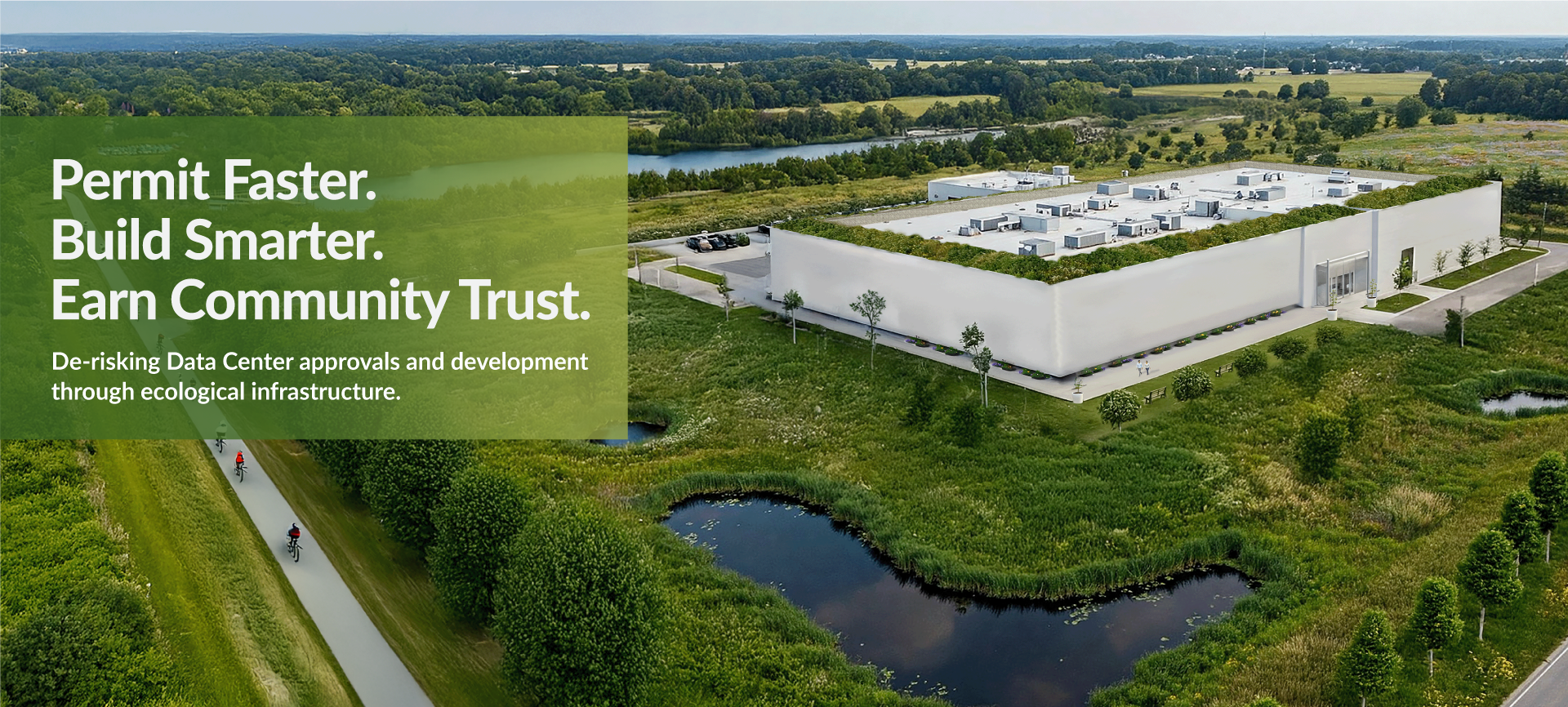
Data center resource center
RES turns environmental risk into a competitive advantage for data center portfolios..
SUSTAINABLE DATA CENTER DEVELOPMENT RESOURCE CENTER
Resources for Nature-positive Solutions in data center development, the strategic levers for gaining community trust, accelerating timelines, and reducing cost.
What are Nature-positive Solutions?
Nature-positive solutions are design, construction, and long-term management practices that restore and enhance natural systems so that a project site contributes more ecological and community value than it removes. Unlike traditional approaches that consume environmental resources, nature-positive solutions build environmental capital.
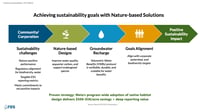
For data centers, nature-positive solutions deliver five interconnected benefits: accelerated permitting through proactive environmental strategy, long-term performance through resilient infrastructure, enhanced biodiversity that supports ESG reporting, improved water balance through replenishment and management, and climate resilience through natural cooling and stormwater systems.
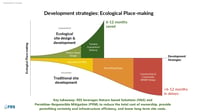
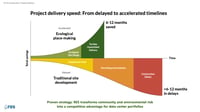
Projects built with nature-positive design save 6-12 months on development timelines compared to traditional approaches and transform community opposition into support.
LEARN MORE ABOUT NATURE-POSITIVE SOLUTIONS
FEATURED WEBINAR
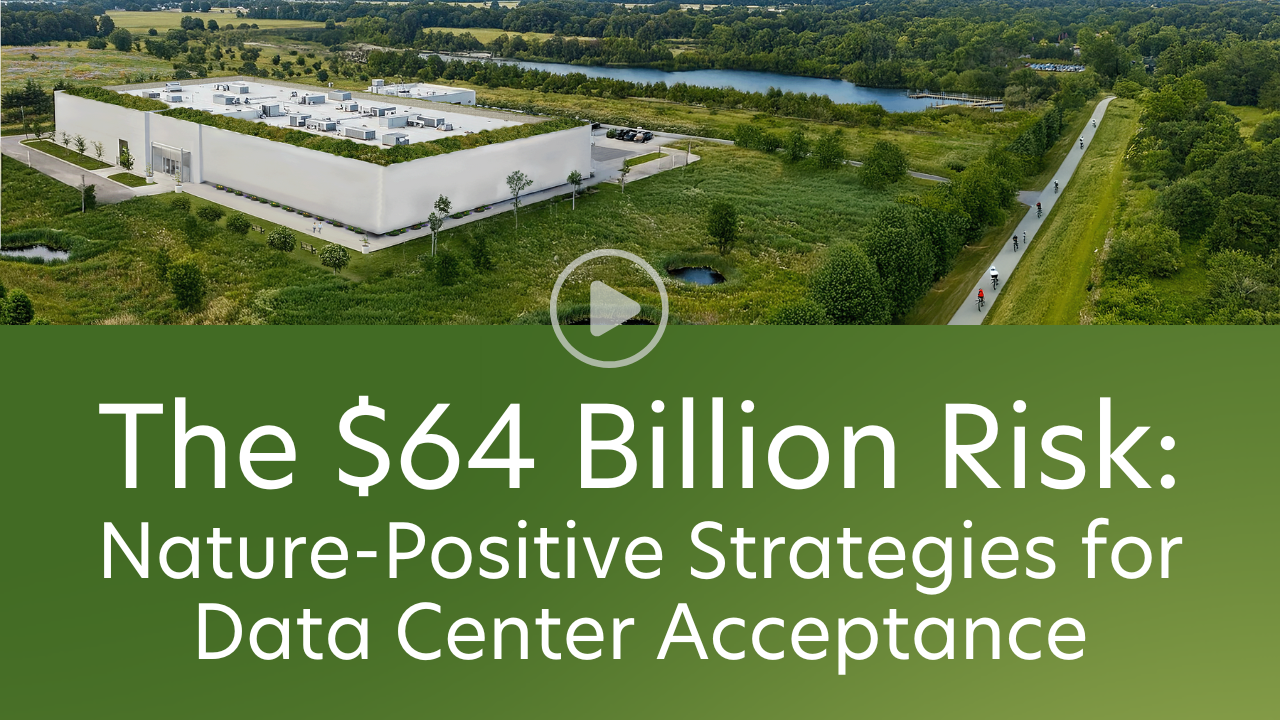
The $64 Billion Risk: Nature-Positive Strategies for Data Center Acceptance
$64 billion in data center projects are facing delays or cancellations due to local opposition over water use, land impact, and resource demand. The challenge isn’t technology — it’s trust.
In this on-demand webinar, RES experts unpack what’s behind the growing pushback and share three proven strategies to overcome it:
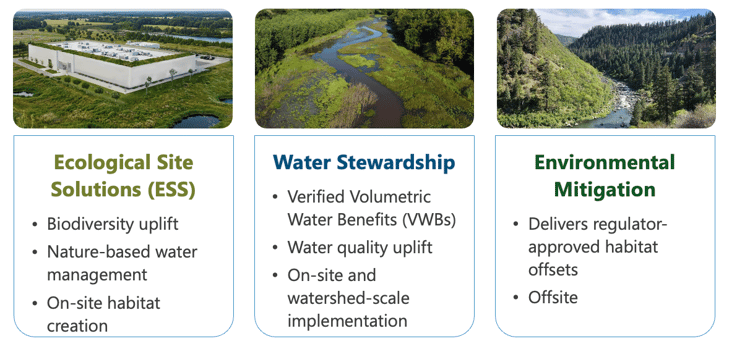
- Ecological Site Solutions that integrate native ecosystems and visible community benefits
- Volumetric Water Benefits (VWBs) that offset operational water use through real water replenishment
- Environmental Mitigation that accelerates permitting with guaranteed ecological outcomes
Access the recording now to learn how your next project can gain approvals faster, operate more sustainably, and earn genuine local acceptance.
The data center dilemma
Click to watch video
PERMITTING & BUDGET RISK
Every delay costs.
Every cost compounds.
Permitting holdups can derail timelines and inflate budgets fast. The result? Lost site advantage and multi-million-dollar overruns.
OPPOSITION & PERMIT APPROVALS
Communities can make or break your project.
Projects without local trust face delays, protests, or rejections. Ecological uplift and visible community benefit are no longer optional.
COOLING, STORMWATER & RESILIENCE
Storms stress infrastructure.
COST SAVINGS
Eco-positive designs should return value.
Nature-based solutions can’t just “check the box.” They need to show real impact, with clear, measurable benefits that support both the project and the bottom line.
CORPORATE WATER STEWARDSHIP
Sustainability is required.
From biodiversity to carbon footprints, today’s buyers, investors, and agencies expect projects to prove their ecological value, not just promise it. Are you doing enough?
FEATURED WHITE PAPER
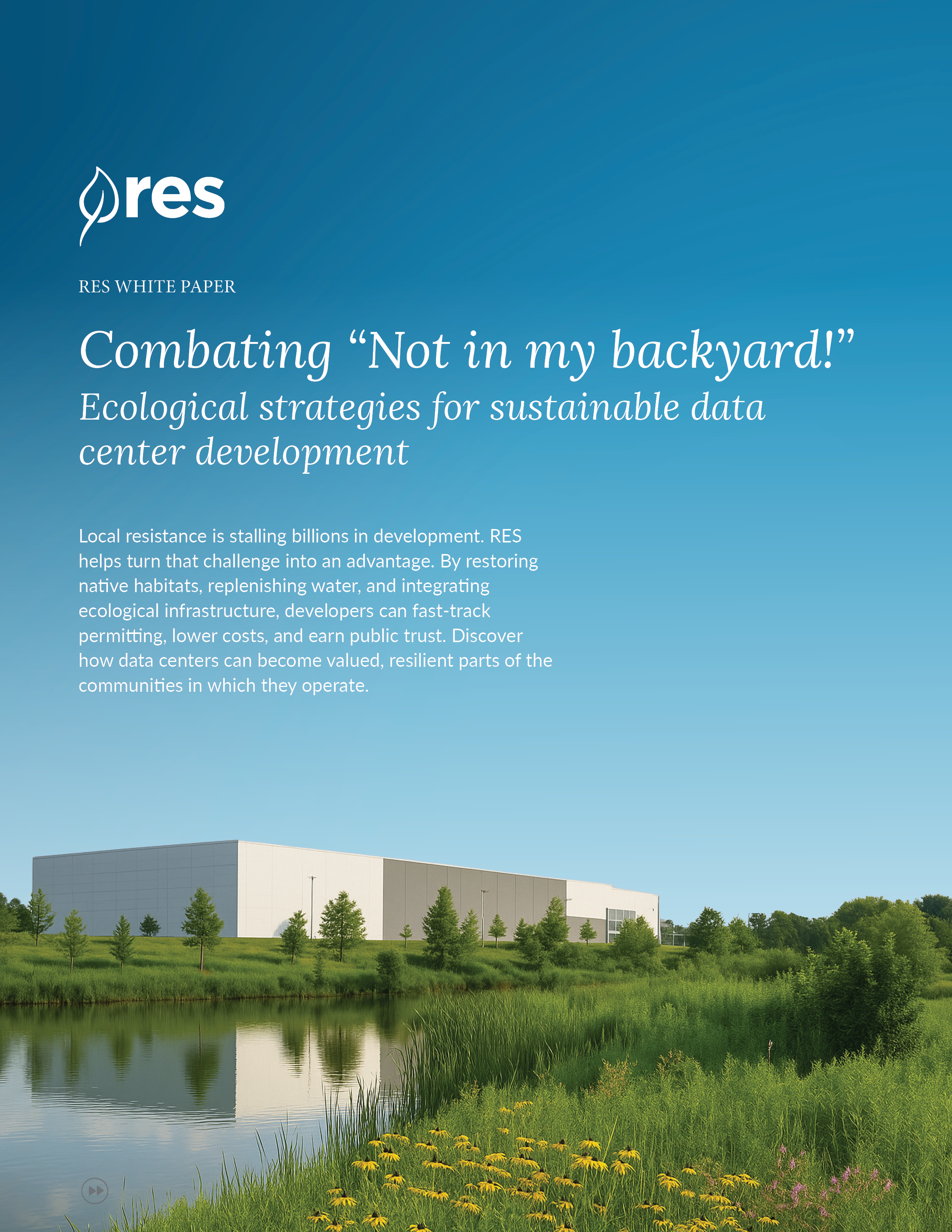
Combating NIMBY: Ecological Strategies for Sustainable Data Center Development
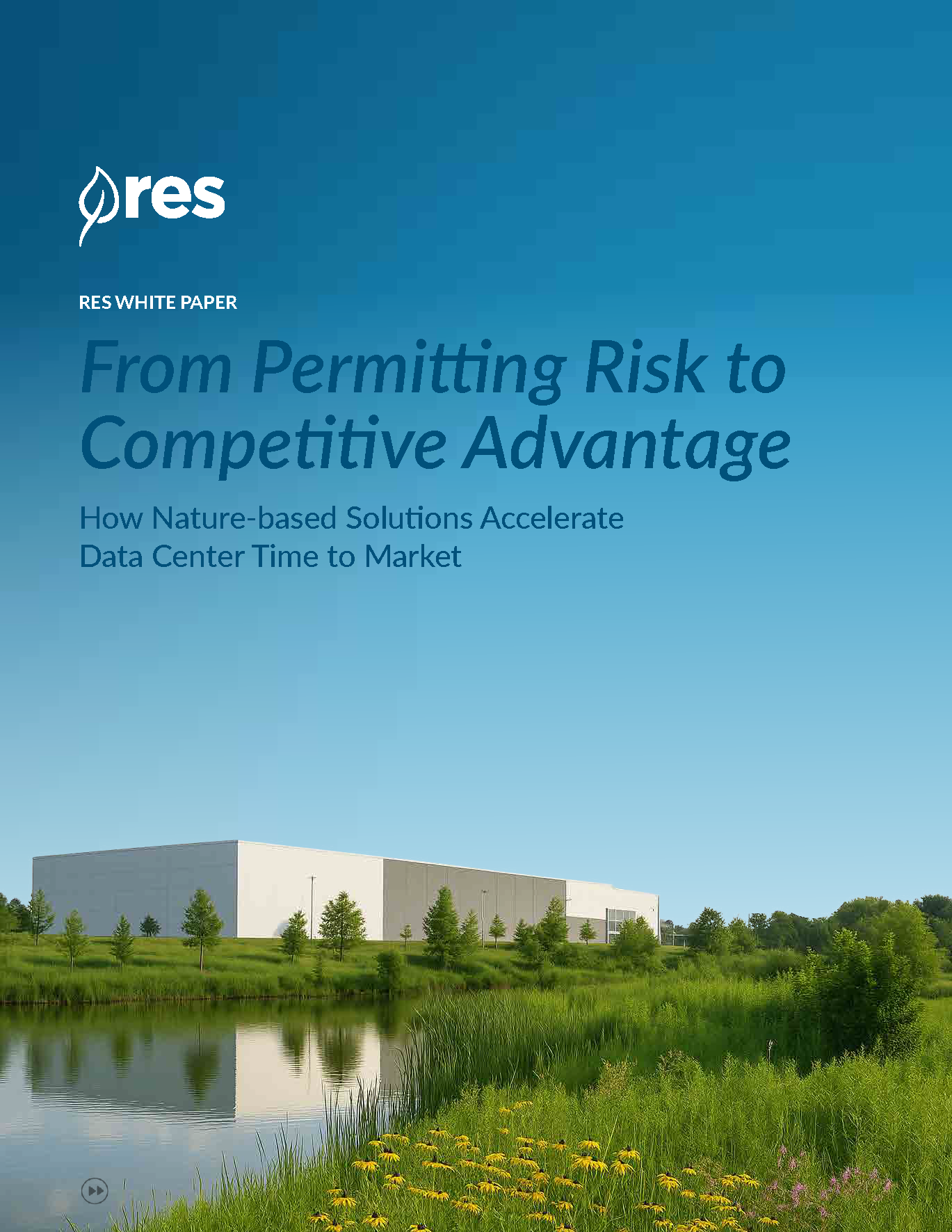
As data centers grow, so do their community and environmental impacts. This white paper reveals how Nature-based Solutions (NbS) can help developers cut water and energy use, streamline permitting, and build community trust.
You’ll learn how to:
- • Avoid delays with environmental site development
- • Offset your data center water use and boost watershed health with volumetric water benefits
- • Lower energy costs using nature-based strategies
- • Be a trusted community leader with sustainable data center development
Download this white paper and turn your costly community and ecological challenges into strategic competitive advantages.
No credits?
See how much time and money can be saved with custom mitigation for your project.
What are Ecological Site Solutions (ESS)?
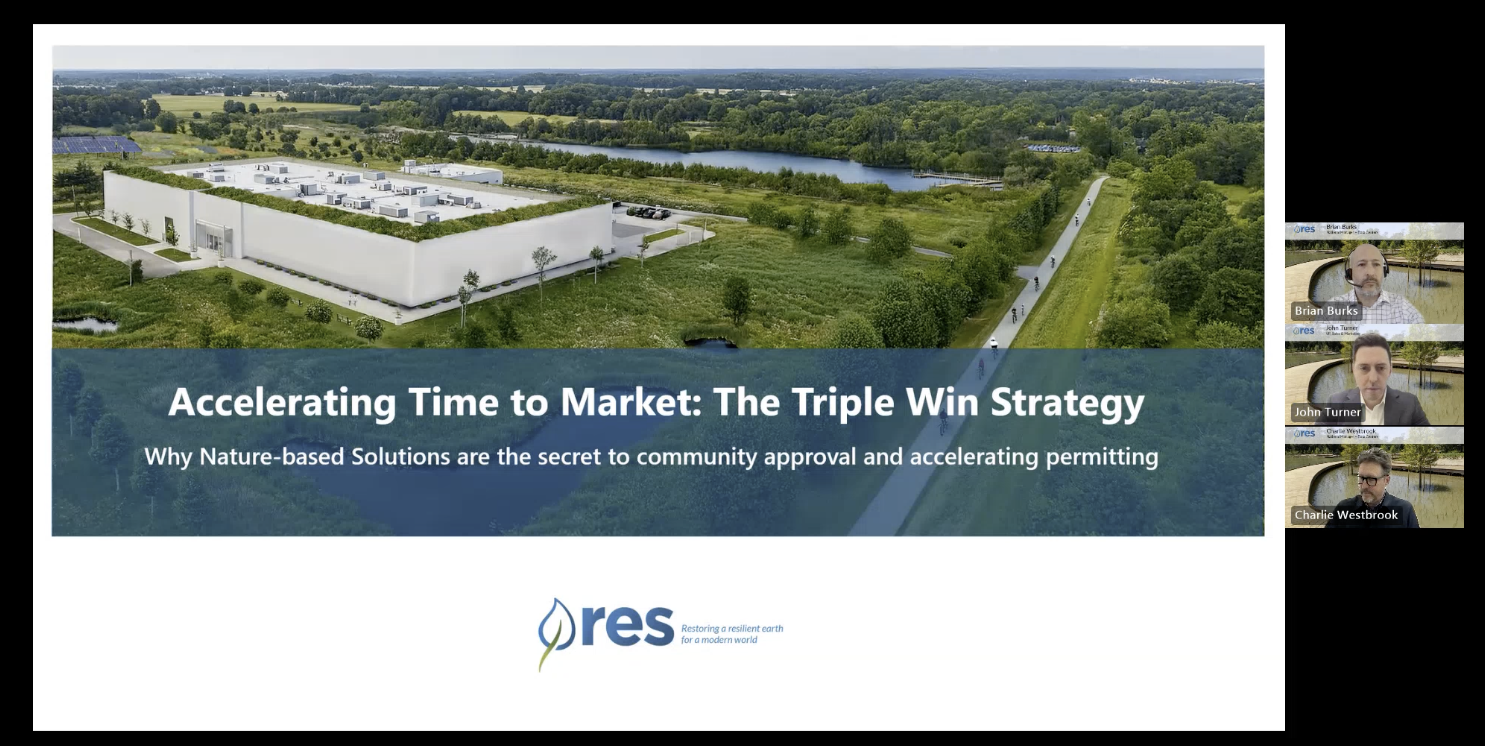
Ecological Site Solutions (ESS) goes beyond standard landscape design by integrating native ecosystems, sustainable water management, and long-term environmental performance into the planning and design of a site from the earliest stages.
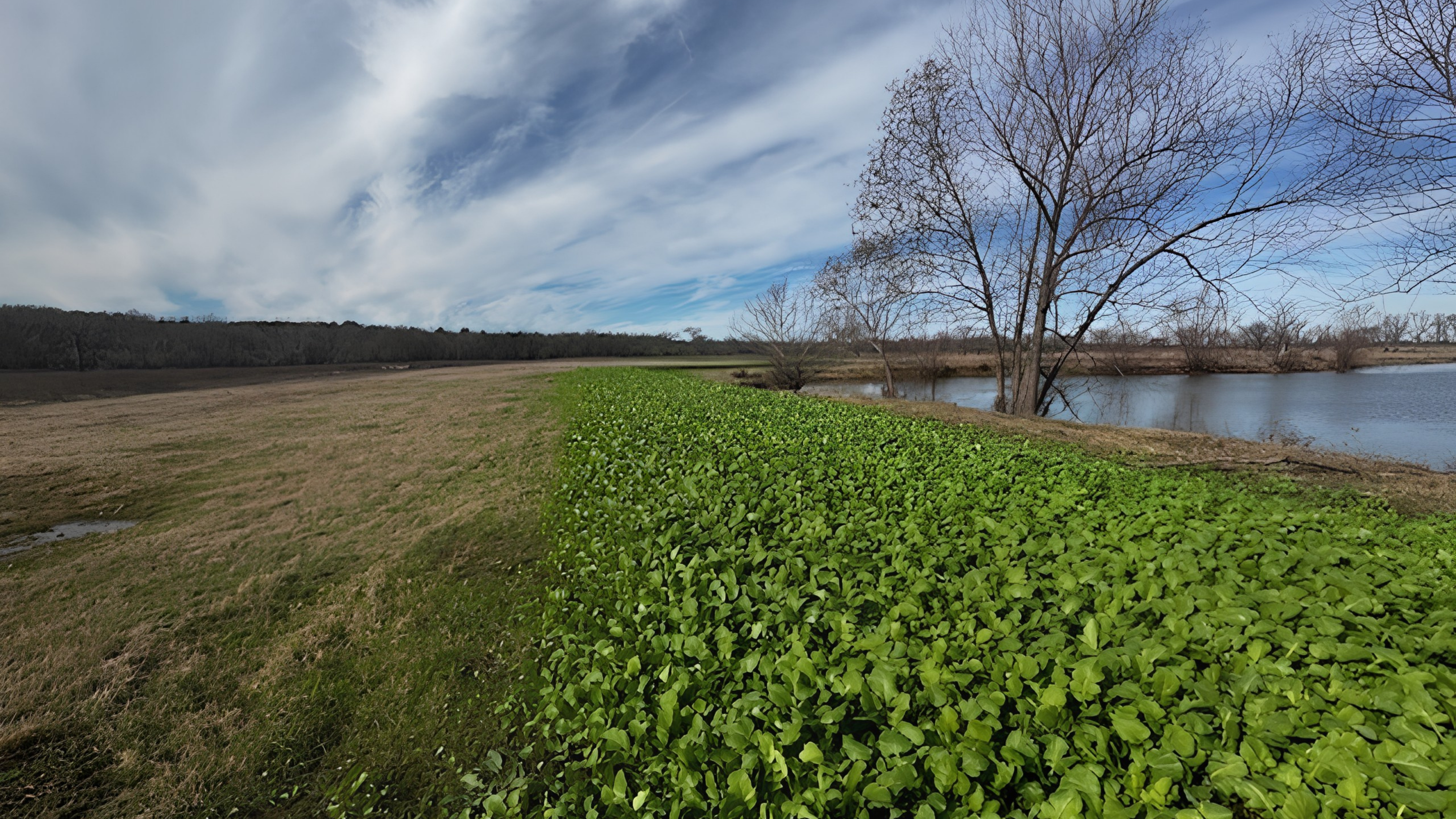
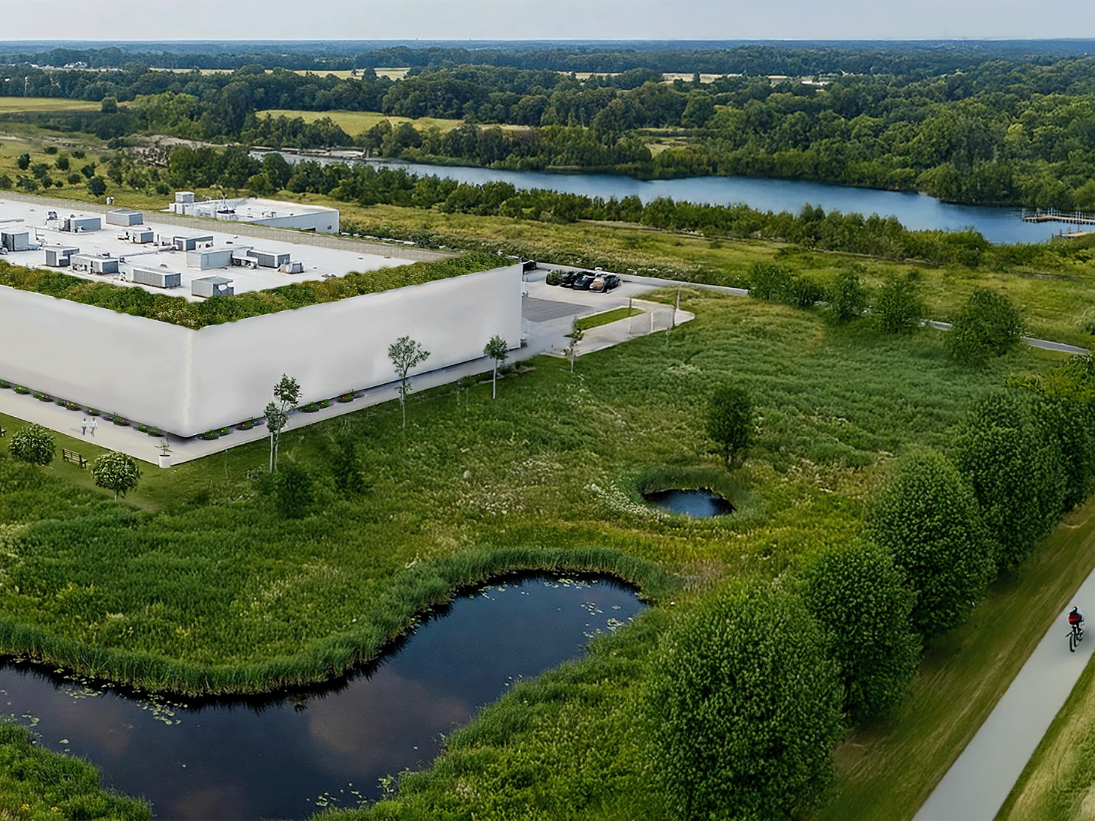
For data centers, ESS replaces conventional turf and ornamental landscaping with native vegetation, bioswales, rain gardens, and natural wetlands. These nature-based systems lower heat island effects (reducing cooling loads), reduce irrigation needs, manage stormwater naturally, and create habitat for pollinators and wildlife.
Compared to standard landscaping, ESS delivers up to 80% life-cycle cost savings through reduced mowing, irrigation, and chemical needs, while accelerating permitting and strengthening community acceptance.
What are Water Positive+ Solutions?
Water Positive+ Solutions are quantified, measurable water gains from ecological restoration projects, most often expressed as Volumetric Water Benefits (VWBs). These translate restoration activities into gallons of water replenished, recharged, or improved in quality within a specific watershed.
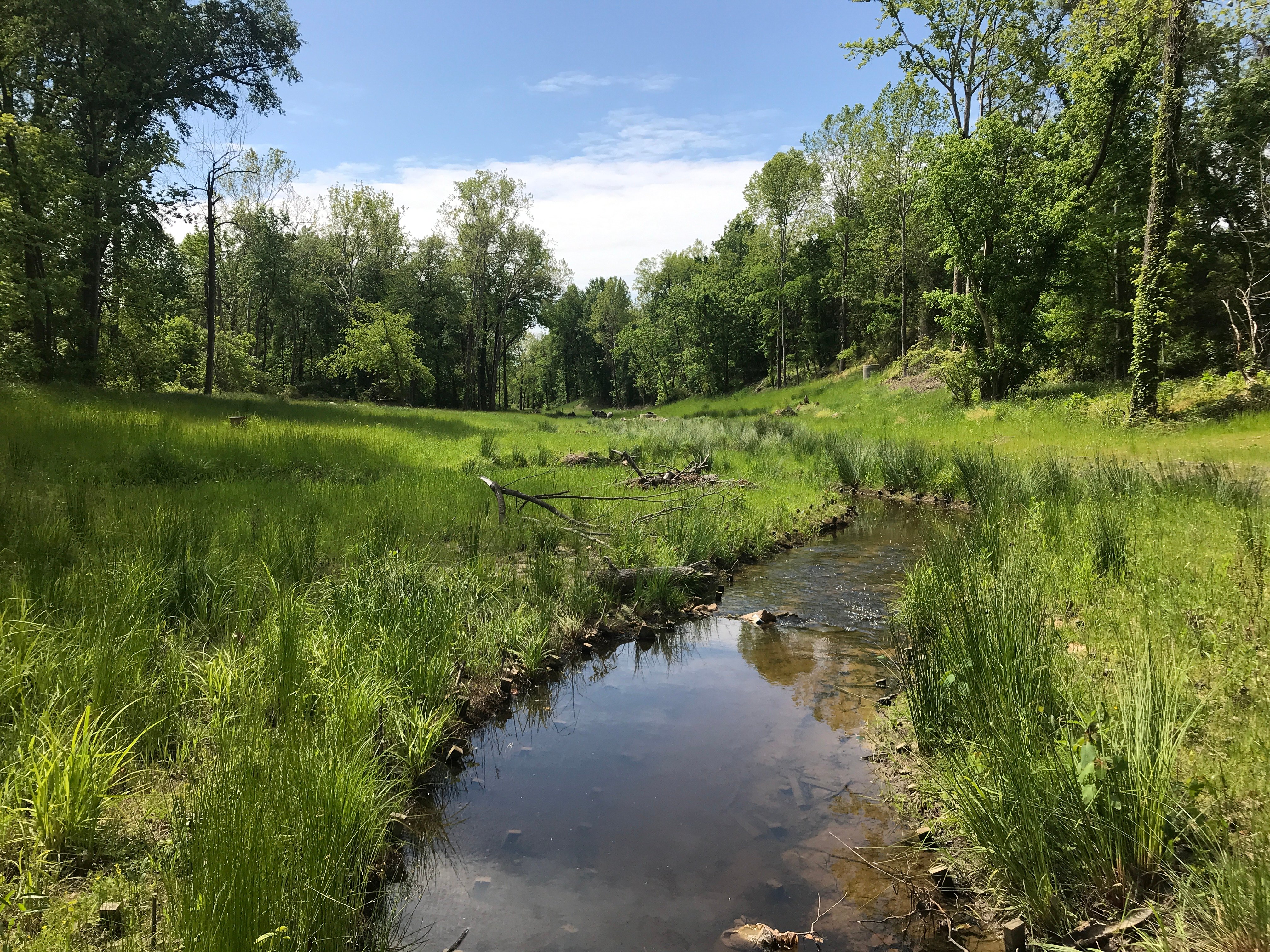
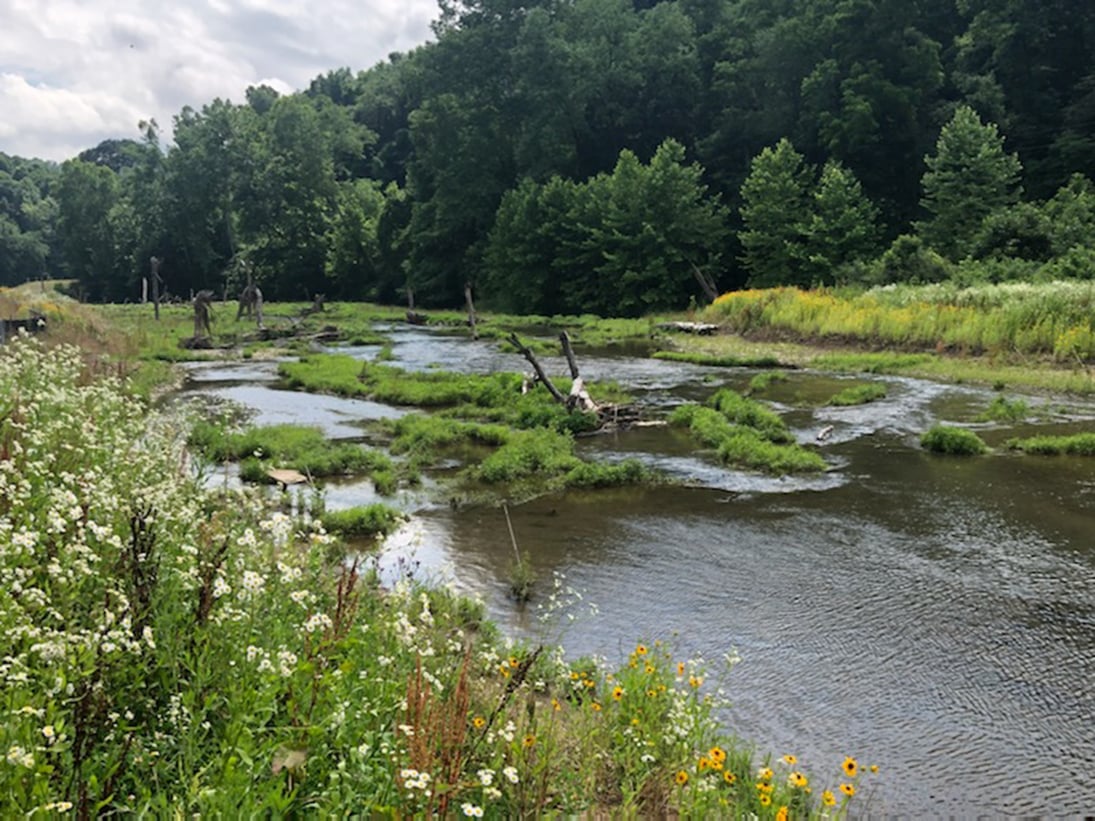
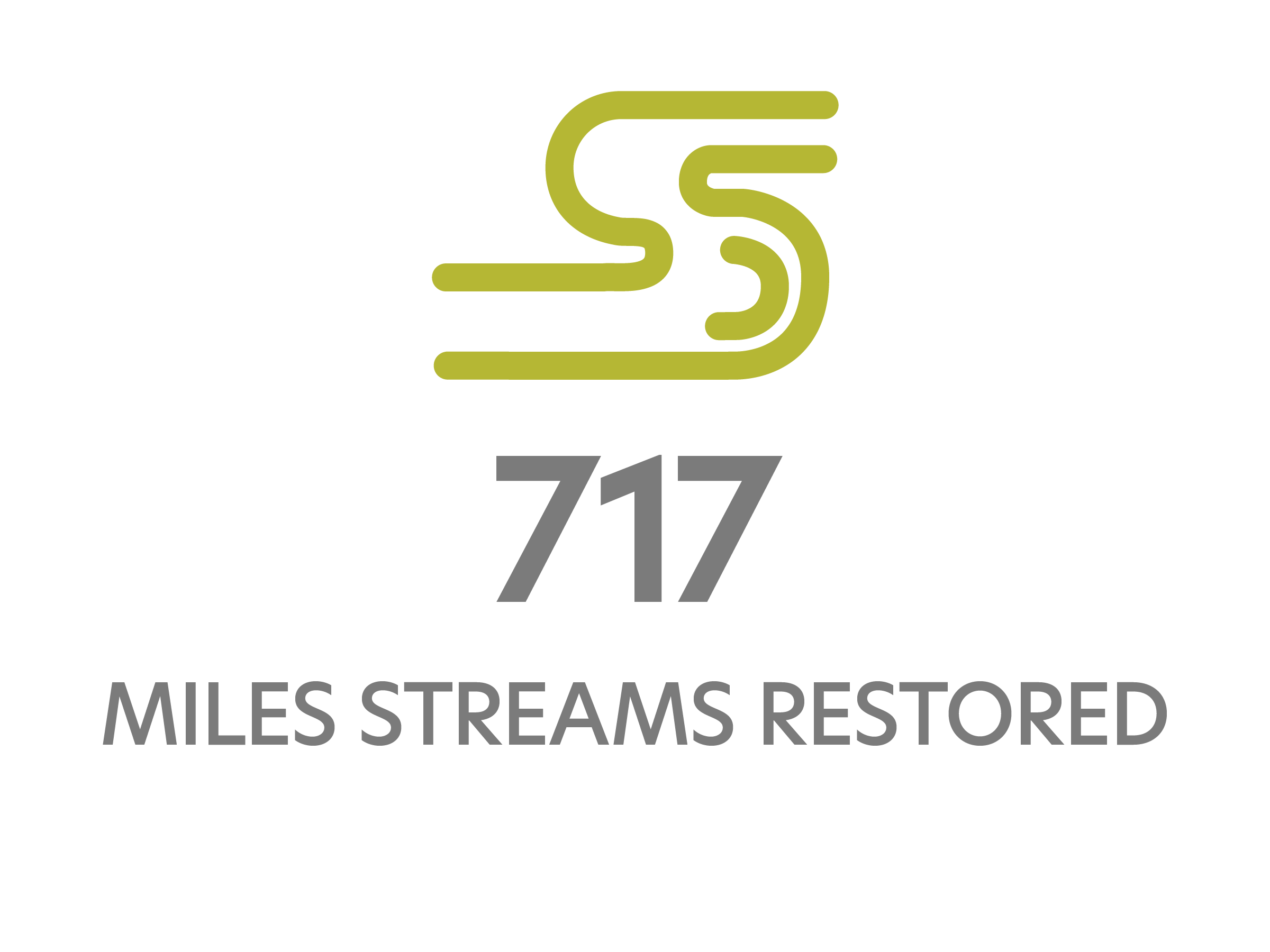
For data centers with significant cooling-water requirements, VWBs enable water positivity or neutrality by replenishing the watershed with more water than operations consume. This is accomplished through stream restoration, wetland creation, floodplain reconnection, and other nature-based solutions that slow water down, increase groundwater recharge, and improve water quality.
VWB projects can be developed on-site or off-site within the same watershed, providing data center operators with the flexibility to meet corporate water stewardship commitments regardless of site constraints.
What is Environmental Mitigation for Data Centers?
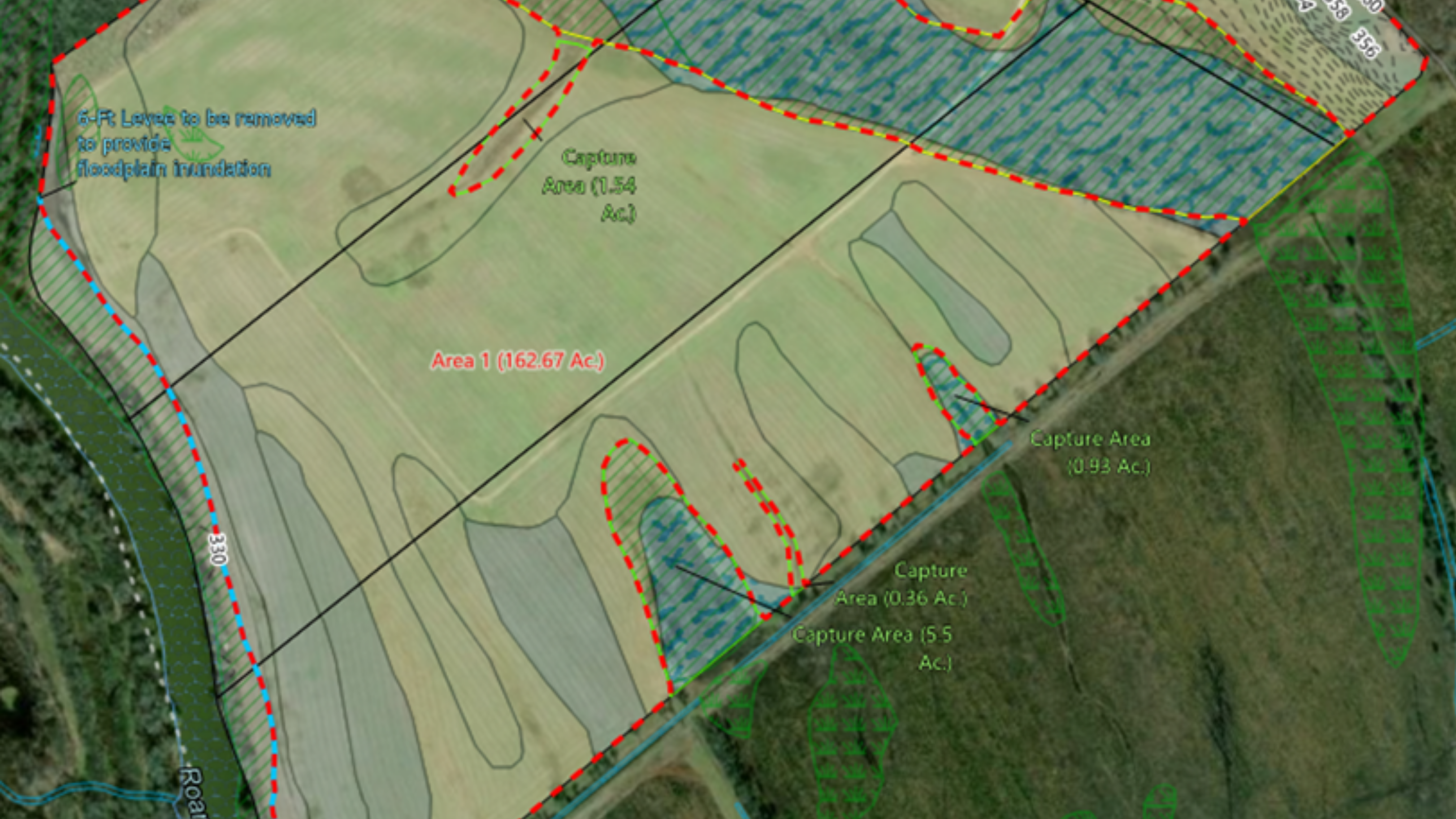
Environmental mitigation is the required compensation for unavoidable impacts to wetlands, streams, and species habitat during development. For data centers, mitigation requirements are triggered when construction activities affect waters of the United States, including wetlands, streams, and habitat for protected species.
Three approaches exist: Mitigation Banking (purchasing pre-approved credits from established restoration sites), In-Lieu Fee Programs (paying into a fund for future restoration), and Permittee-Responsible Mitigation (developing custom restoration projects concurrent with construction). Each approach has different timelines, costs, and availability constraints.
When bank credits are available, purchase can happen in days. For large projects or watersheds without available credits, permittee-responsible mitigation can be approved as part of the construction permit, avoiding schedule delays while delivering meaningful ecological restoration.
HEAR FROM OUR EXPERT
CHARLIE WESTBROOK, RES NATIONAL MANAGER, DATA CENTERS
How do you turn environmental risk into your data center competitive advantage?
In an era of growing scrutiny over environmental impacts, data centers face a unique opportunity: transform risk into resilience, and delays into market differentiation. Watch this series of videos to learn about the proven environmental strategies developers are using to accelerate timelines, unlock sites, and build local trust.
Environmental Mitigation
Offset with intention. Build faster with fewer tradeoffs.
- Permit smarter, not slower: RES restores equivalent natural habitats to fully compensate for site impacts—streamlining approvals and avoiding costly project delays.
- Scalable and repeatable: Our mitigation solutions are tailored to the land, built to scale across markets, and backed by a national portfolio

Water Positive Solutions
Make water stewardship measurable and marketable.
-
Quantify what matters: VWB yields translate ecological restoration into measurable water replenishment, recharge, and quality gains.
-
Compliance made easier: Boost stormwater resilience and simplify permitting with data-backed environmental benefits, tailored to your service area.

Ecological Site Solutions
Nature-based design isn’t just good for optics—it’s essential infrastructure.
-
Smart landscapes, smarter returns: Native vegetation, green roofs, and natural water systems manage runoff, improve aesthetics, and reduce cooling loads.
-
Resilient from the ground up: Reduce heat island effects and irrigation needs while delivering long-term operating cost savings and biodiversity uplift.
Nature-positive solutions for large-scale development
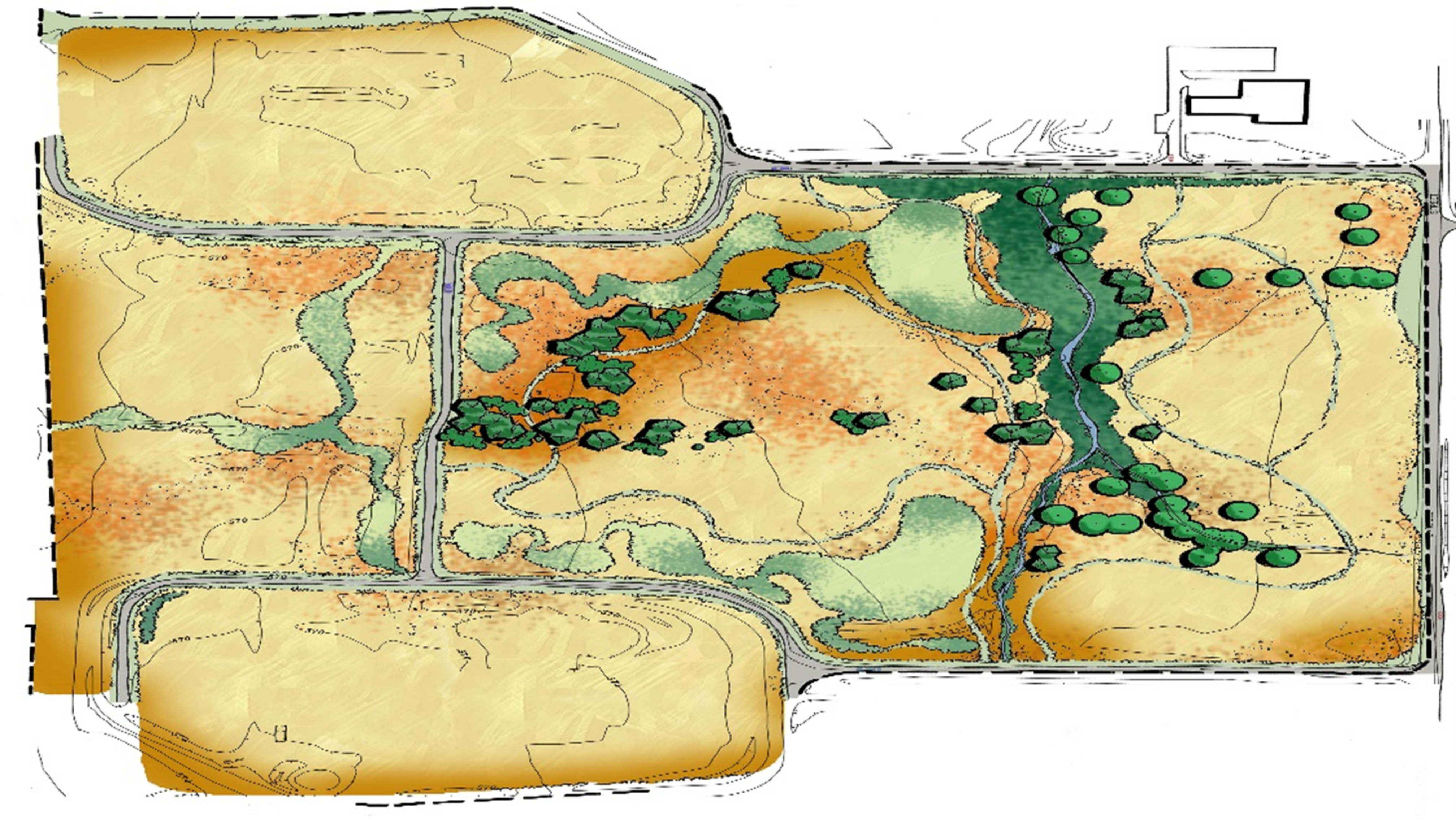
Pfizer’s 60-acre campus in Indiana was reimagined through Ecological Site Solutions, replacing turf and ornamental landscaping with deep-rooted native systems and a Stormwater Treatment Train™. The result: a landscape that manages runoff, restores biodiversity, and delivers measurable long-term performance.

-
Mitigation supports projects and builds local confidence
-
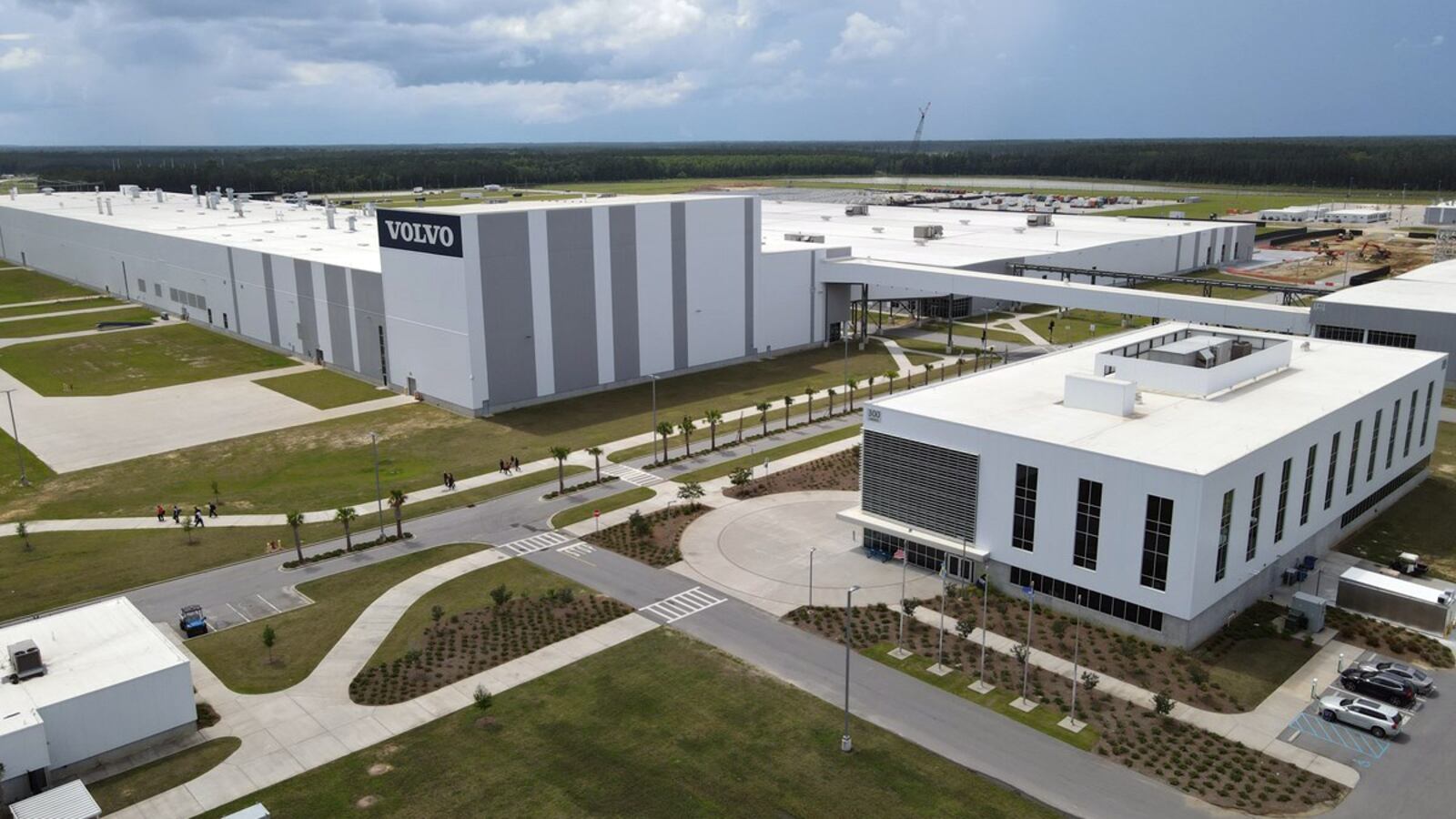
Volvo’s $5B facility nearly left South Carolina due to permitting risk. RES delivered a fast-tracked mitigation plan that kept the project on schedule and anchored in-state. See how early environmental planning helps projects like data centers meet critical timelines, while reinforcing trust with regulators and local stakeholders.

NORTH DAKOTA
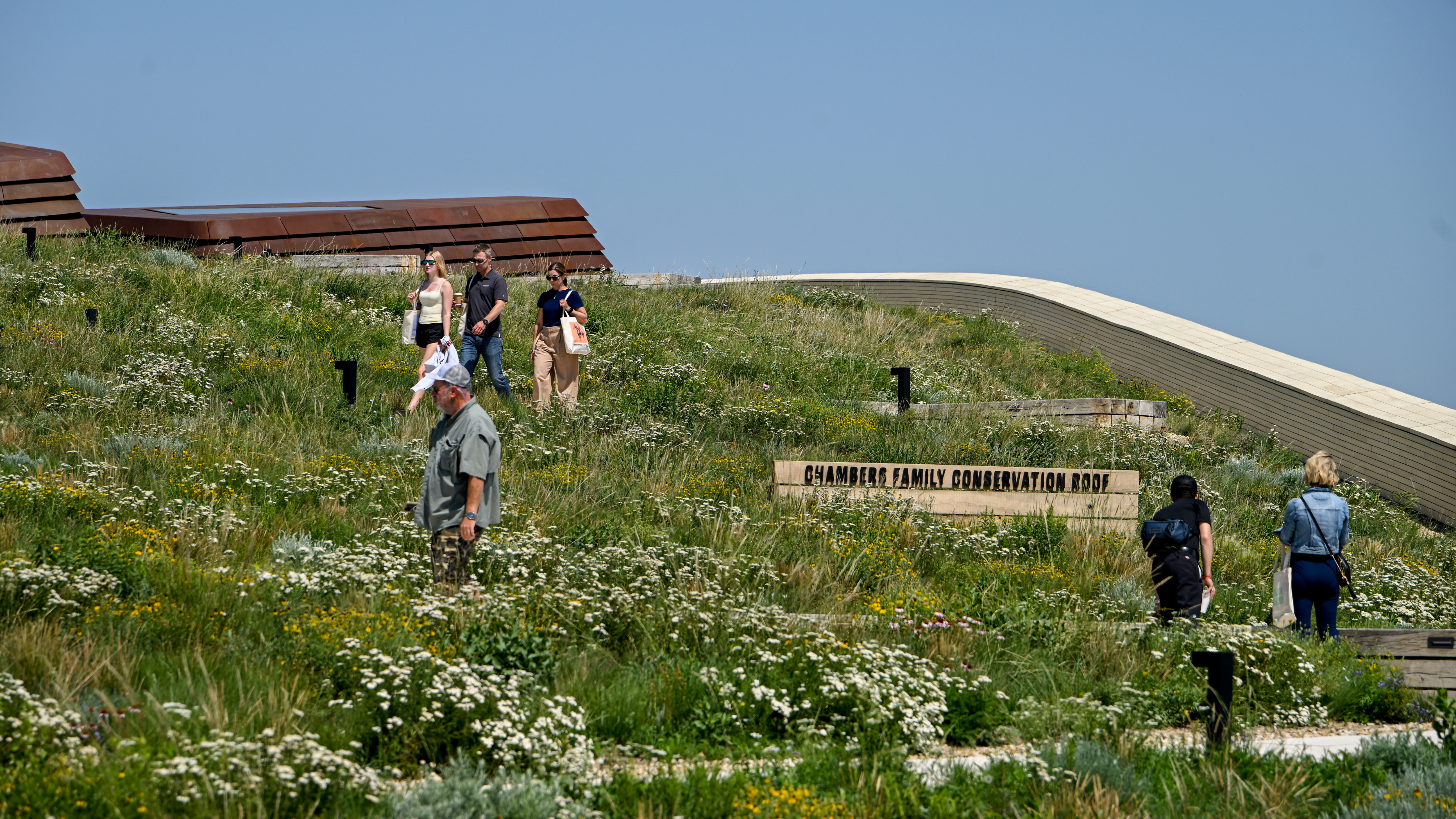
Teddy Roosevelt Presidential Library
Challenge: A high-profile site faced potential community opposition, environmental scrutiny, and the need for long-term operational resilience.
Solution: Led ecological site design, harvested and propagated 170+ native species, installed green roofs and native soils, and implemented nature-based systems to meet ambitious sustainability targets.
Outcome: The project is on track to deliver a resilient, zero-waste landscape that unifies architecture and ecology, setting a new benchmark for sustainable cultural development.
IOWA
Prairie Potholes
Outcome: Millions of gallons per year in groundwater recharge, improved water quality, and a restored landscape that supports corporate water stewardship and sustainability goals.
LOUISIANA
Bayou Pierre
Challenge: Water quality impairments and permitting risks near a planned data center site.
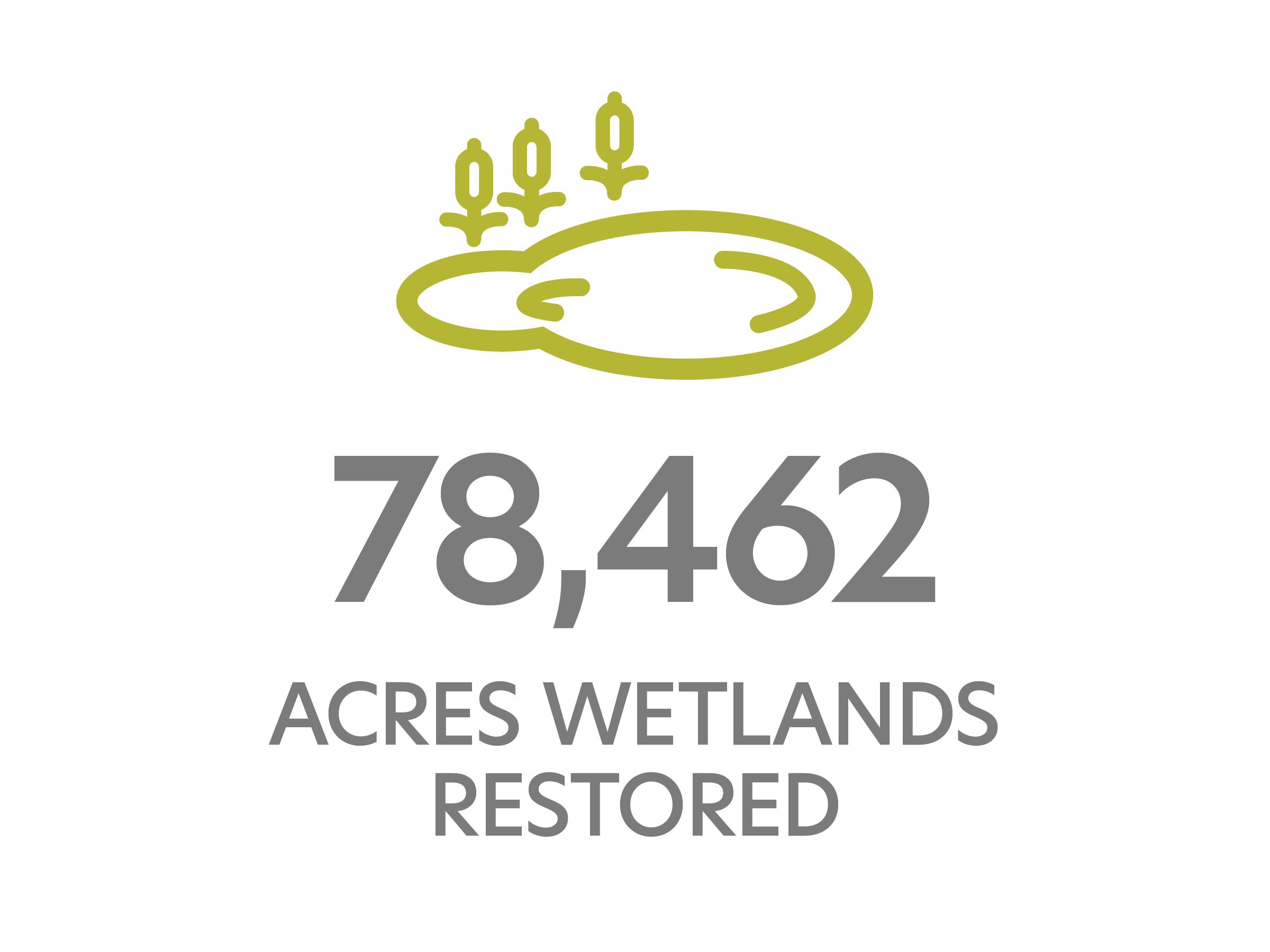
Solution: Restored 318 acres of wetlands to filter runoff and reduce pollutants.
Outcome: Improved 650M gallons of water annually, advancing water positivity and reducing development risk.
RES transforms environmental challenges into competitive advantages for data center development
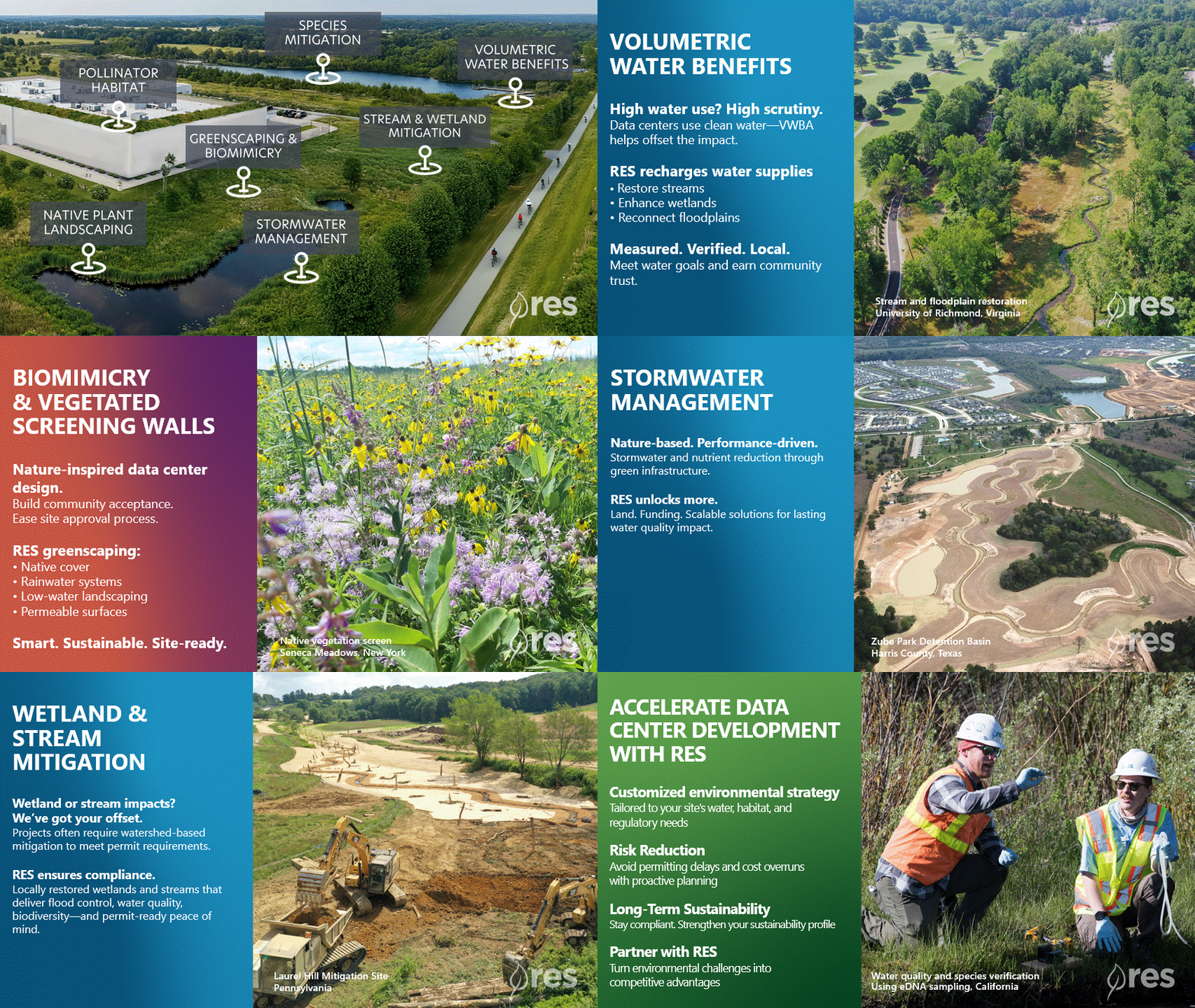
From pollinator habitats to stormwater solutions and species mitigation, RES delivers smart, site-ready strategies that streamline permitting, reduce risk, and ensure long-term sustainability.
Explore our nature-as-infrastructure approach designed to meet regulatory needs while building community and ecological value.

Every data center site is different, but the formula for making nature work for you is the same. It starts with understanding the ecosystem and then designing for long-term, measurable ecological performance. Working across a range of landscapes, from impaired streams and floodplains to prairies, wetlands, and habitat corridors, you can restore natural function while staying on schedule and in compliance.
The result is more than mitigation. It’s a site that manages water, builds resilience, supports biodiversity, and earns community trust –naturally sustaining itself, and your investment.
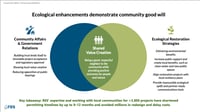
Data centers can transform community opposition into support through nature-positive solutions that deliver visible, measurable environmental benefits. This includes ecological site design (native landscaping, pollinator habitats, green infrastructure), volumetric water benefits (restoring more water to the watershed than operations consume), and community amenities (trails, educational areas, public greenspace).
The key is proactive investment: rather than fighting opposition after it emerges, developers who build environmental benefits into their projects from the beginning create allies instead of adversaries. Projects with nature-positive design are welcomed, not fought, saving 6-12 months in permitting delays.
Environmental delays can cost data center projects millions of dollars. Permitting holdups derail timelines and inflate budgets, resulting in lost site advantage and multi-million-dollar overruns. Research indicates that $64 billion in data center projects have faced delays or cancellations due to local opposition over water use, land impact, and resource demand.
The cost impact compounds over time: initial permitting delays lead to construction schedule slippage, which affects revenue timelines and competitive positioning. Early environmental planning and proactive community engagement can avoid these costs entirely while building long-term operational resilience.
Nature-based solutions accelerate permitting by addressing environmental concerns proactively rather than reactively. When developers incorporate ecological site design, water stewardship measures, and visible community benefits into their initial plans, regulatory agencies have greater confidence in project outcomes, leading to faster approvals.
Specifically, projects can save 6-12 months through: strategic mitigation planning that anticipates permit requirements, ecological design that reduces stormwater infrastructure needs, and community engagement that preempts opposition. The regulatory path becomes smoother when environmental benefits are demonstrable from the start.
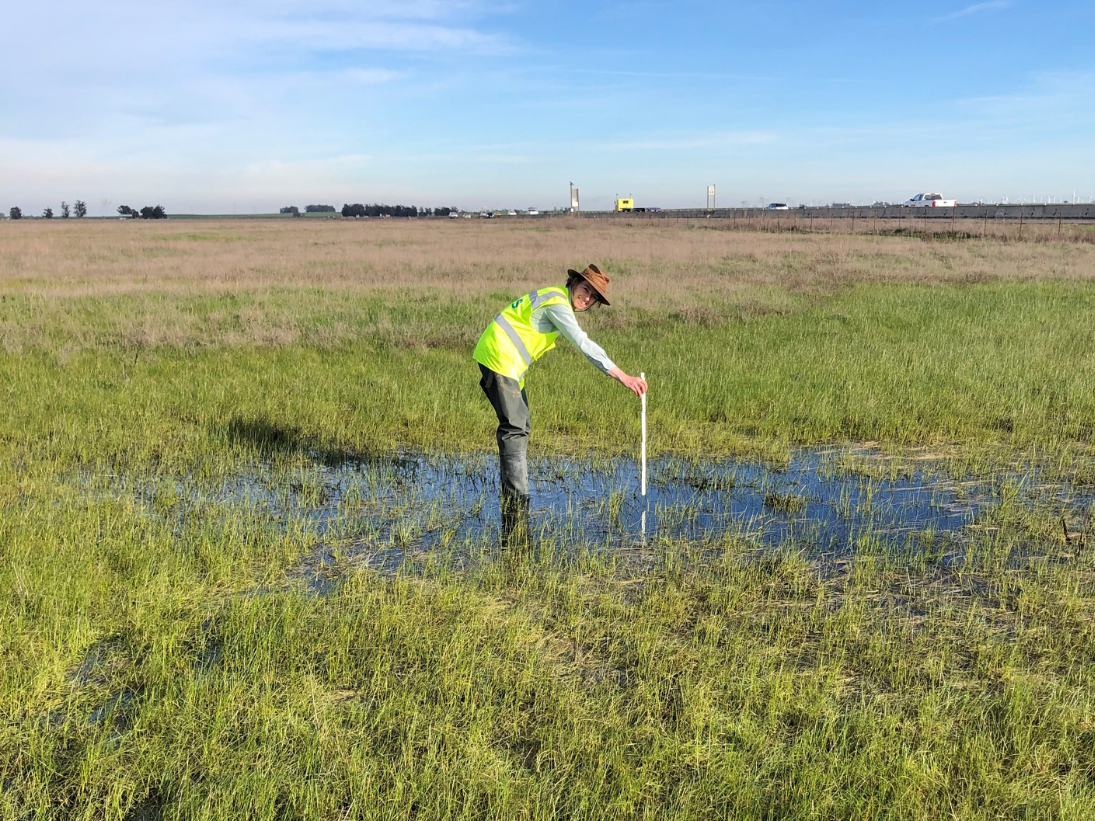
Volumetric Water Benefits (VWBs) quantify the water replenishment delivered by ecological restoration. Through stream restoration, wetland creation, and floodplain reconnection, water is slowed down and allowed to infiltrate into groundwater or improve in quality before returning to surface waters.
For data centers, the process involves: identifying appropriate restoration sites within the same watershed as operations; implementing restoration projects (ranging from wetland creation to forest planting); measuring water gains using established methodologies; and certifying the benefits for corporate reporting.
Example: A prairie pothole restoration project in Iowa produces millions of gallons per year in groundwater recharge, creating measurable water benefits that offset data center cooling water consumption.
Data centers achieve water positivity by replenishing more water to their watershed than their operations consume. This is accomplished through Volumetric Water Benefits (VWBs) generated by ecological restoration projects that increase groundwater recharge, improve water quality, or enhance flood storage capacity.
The pathway involves: calculating operational water consumption (cooling, humidification, domestic use), identifying restoration opportunities that produce measurable water benefits, implementing projects that generate VWBs exceeding consumption, and documenting results for sustainability reporting. VWB projects can be located onsite or offsite within the same watershed, providing flexibility based on site constraints and available restoration opportunities.
Mitigation banking involves purchasing pre-approved credits from established ecological restoration sites. When credits are available in your watershed, purchase can happen in days, providing the fastest path to permit approval. Banks are pre-approved by regulatory agencies, eliminating ecological performance risk.
Permittee-responsible mitigation (PRM) involves developing custom restoration projects concurrent with your construction project. PRM is used when bank credits are unavailable or insufficient, or when project-specific restoration is preferred. When properly planned, PRM is approved as part of the construction permit, avoiding schedule delays.
A third option, In-Lieu Fee programs, involves paying into a fund for future restoration. Availability and applicability vary by state, and ILFs often decline large projects due to the size of impacts.
Data centers typically encounter three categories of environmental mitigation requirements:
Wetland and Stream Mitigation: Required when construction impacts waters of the United States. These are the most common mitigation requirements and are necessary for both state and federal permits.
Water Quality/Stormwater Offsets: Required to satisfy governmental compliance for TMDLs (Total Maximum Daily Loads), combined sewer overflow consent decrees, MS4 permits, and NPDES permitting requirements.
Endangered Species Mitigation: Required when development affects habitat for state or federally protected species. These requirements can have major impacts on project schedules and are increasingly common as species protections expand.
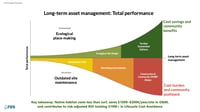
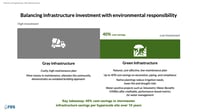
Ecological site design delivers substantial cost savings across multiple categories. By replacing conventional gray infrastructure and turf landscaping with nature-based systems, data center projects can achieve:
• 6-12 months faster permitting (avoiding delay costs that can reach millions per month)
• $2-4 million savings in stormwater infrastructure through natural management systems
• $1-2 million savings in long-term operations and maintenance through reduced mowing, irrigation, and chemical needs
• Up to 80% life-cycle cost savings compared to conventional turf landscapes
• $7-11 million in total cost avoidance over 10 years when all benefits are combined
Ready to unlock your site's full potential?
Early engagement can make or break your timeline and budget. Our team helps you evaluate land strategy before the first permit is filed, boosting value at the site selection stage, identifying mitigation and VWB opportunities, and aligning infrastructure with ecological assets that benefit you and the community.