Data center resource center

RES turns environmental risk into a competitive advantage for data center portfolios..

NATURE-BASED SOLUTIONS FOR LARGE-SCALE DEVELOPMENT

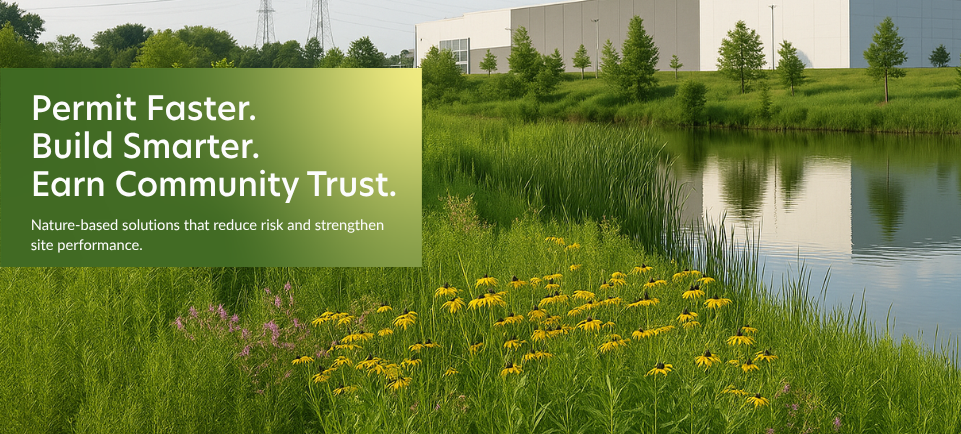
Permit faster, build smarter - Nature-based Solutions

Nature-based Solutions: A smarter approach to large-scale development

What are Nature-based Solutions?

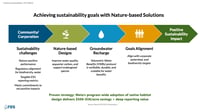
Nature-based Solutions are design, construction, and long-term management practices that restore and enhance natural systems so a project site delivers more ecological and community value than it removes. Unlike traditional approaches that treat environmental requirements as constraints, Nature-based Solutions build environmental capital.


For large-scale development, Nature-based Solutions deliver five interconnected benefits: accelerated permitting through proactive environmental strategy, long-term performance through resilient infrastructure, enhanced biodiversity that supports sustainability reporting, improved water balance through replenishment and management, and greater climate resilience through natural cooling and stormwater systems.
 

3 solutions as of 2604-1

 
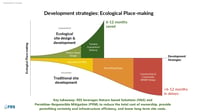
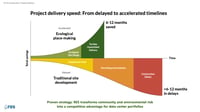
Projects that integrate nature-based solutions early can shorten development timelines and reduce community and regulatory risk compared to traditional approaches. 


LEARN MORE ABOUT NATURE-BASED SOLUTIONS


Why do large-scale development projects face increasing risk and resistance?

Permitting complexity, environmental constraints, water availability, and rising community expectations around transparency and local benefit are converging to slow approvals and increase costs. 


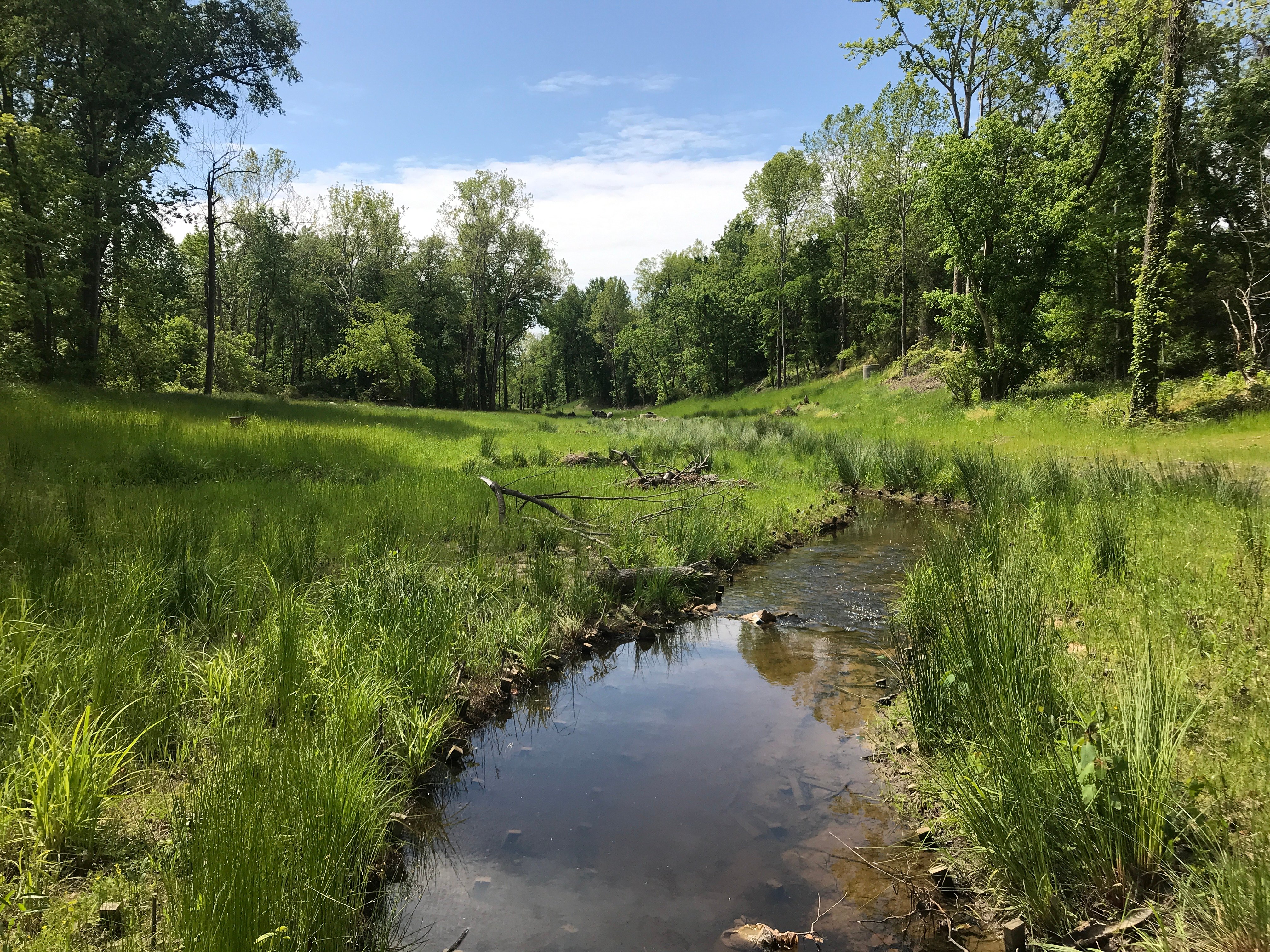
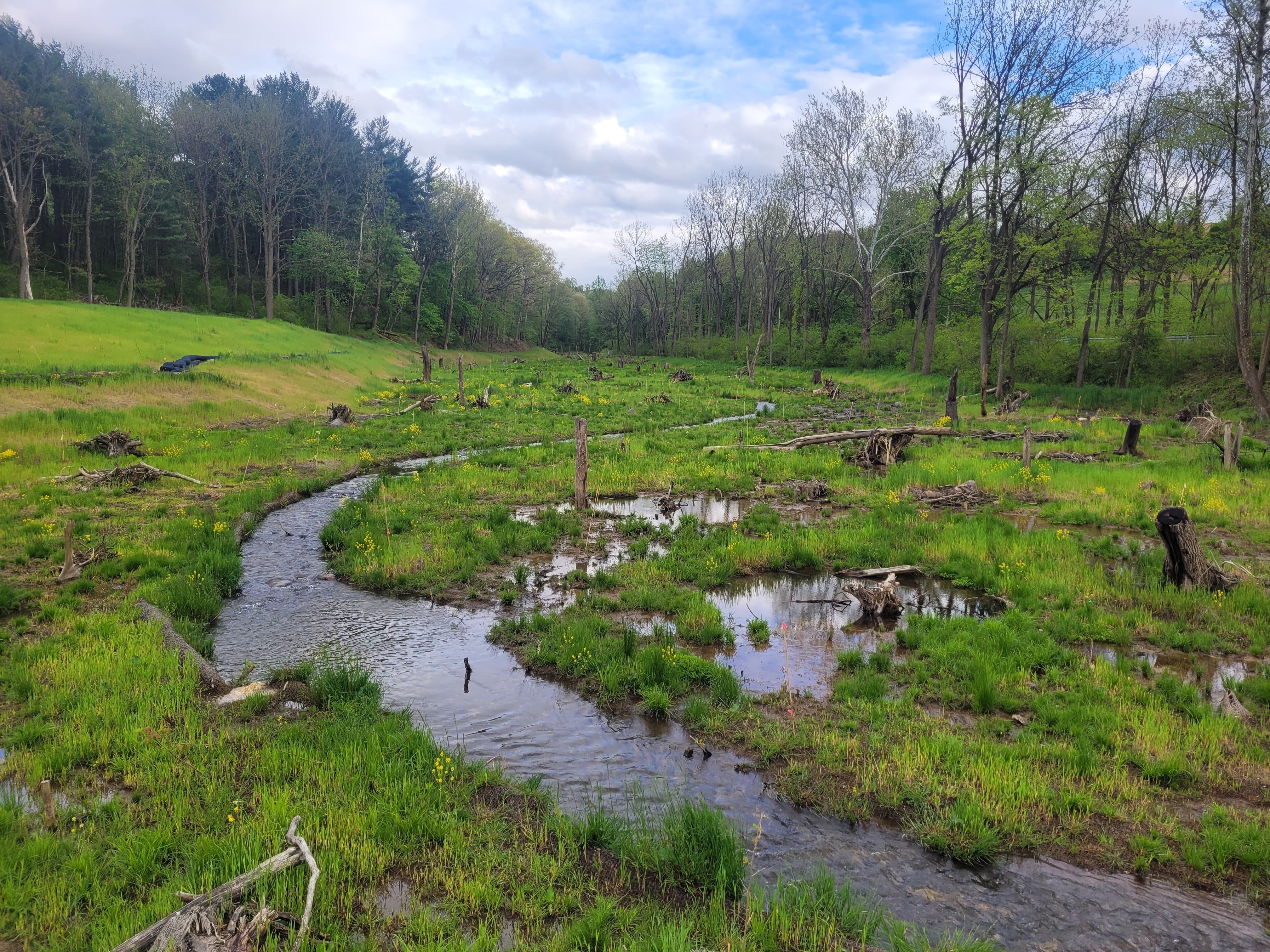
Codorus Creek stream and wetland watery shot
PERMITTING & BUDGET RISK

Every delay costs.

Every cost compounds.


Permitting holdups can derail timelines and inflate budgets fast. The result? Lost site advantage and multi-million-dollar overruns.


Learn how to minimize risk →

OPPOSITION & PERMIT APPROVALS

Communities can make or break your project.


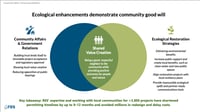
Projects without local trust face delays, protests, or rejections. Ecological uplift and visible community benefit are no longer optional.


Learn more about shared benefits →

COOLING, STORMWATER & RESILIENCE

Storms stress infrastructure.


Flooding, heatwaves, and runoff aren’t future problems; they’re now. Sites must be designed for long-term performance, not just short-term approvals.


Learn more about natural sustainability  →

COST SAVINGS

Eco-positive designs should return value.

 
Nature-based solutions can’t just “check the box.” They need to show real impact, with clear, measurable benefits that support both the project and the bottom line.


Learn more about environmental value →

CORPORATE WATER STEWARDSHIP

Sustainability is required.


From biodiversity to carbon footprints, today’s buyers, investors, and agencies expect projects to prove their ecological value, not just promise it. Are you doing enough?


Learn how to exceed your goals → 

PERMITTING AND PROJECT APPROVAL CALCULATOR
VA Stream Restoration_UofR
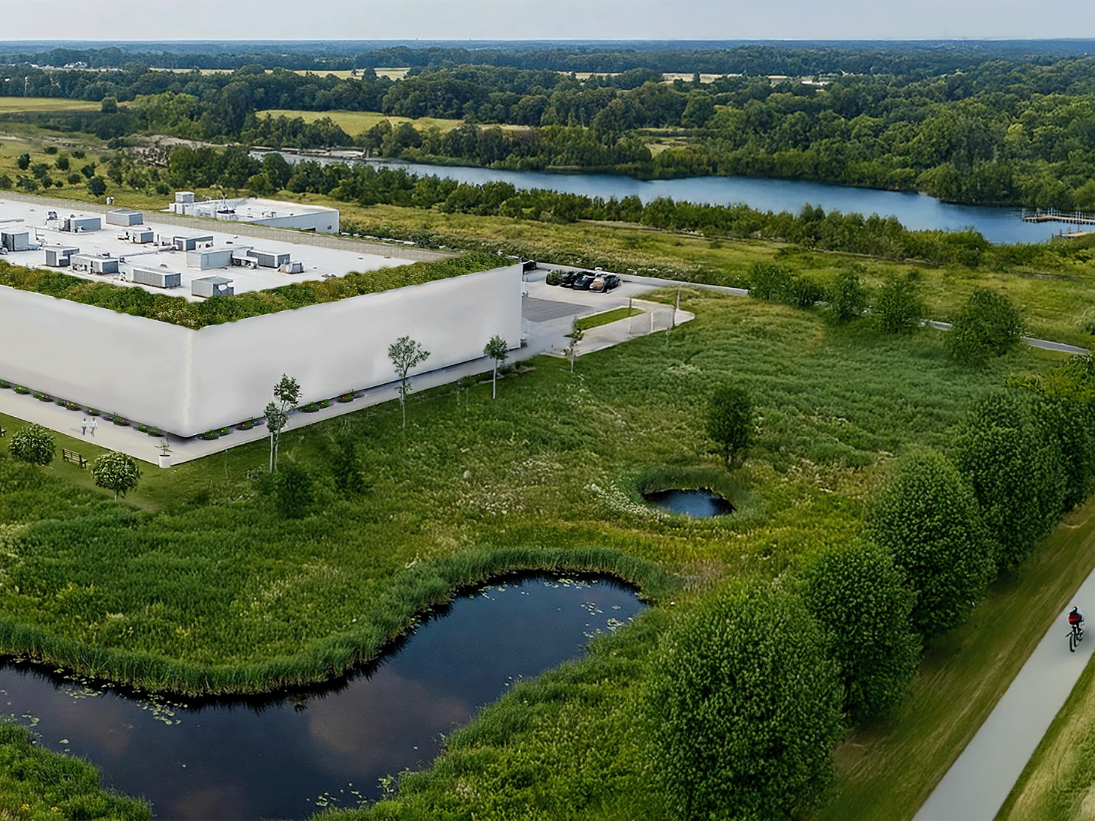
Ecological solutions for data centers pays off
No credits?

See how much time and money can be saved with custom mitigation for your project.

How much time and money could you save?

See how a custom project approach can speed approvals and save time and money.

*Assumes 25% time savings from an ecological PRM approach. Cost impact calculated based on 30-day months.

Three ways to convert environmental risk into a competitive advantage


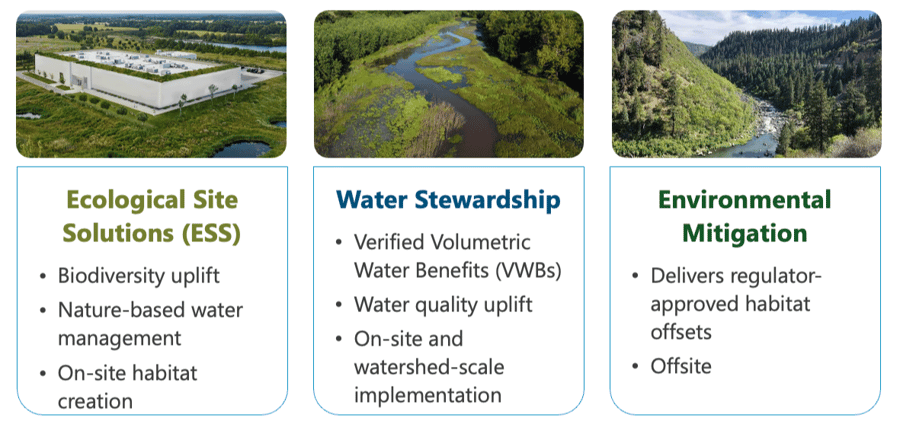
What are Ecological Site Solutions (ESS)?

Ecological Site Solutions (ESS) go beyond traditional landscape design by integrating native ecosystems, water management, and long-term environmental performance into site planning from the earliest stages.


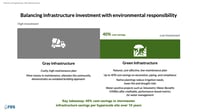
For large-scale development, ESS replaces conventional turf and ornamental landscaping with native vegetation, bioswales, rain gardens, and natural wetlands. These systems reduce heat island effects, lower irrigation demand, manage stormwater at the source, and support biodiversity.


Compared to traditional approaches, ESS can reduce long-term operating and maintenance costs by minimizing mowing, irrigation, and chemical inputs. When implemented early, they also support smoother permitting and create visible, lasting community value.

What is Water Stewardship?

Water Stewardship focuses on improving water balance, quality, and availability through nature-based solutions that deliver measurable outcomes at the watershed level.


For large-scale development projects with significant water demand or heightened watershed sensitivity, Water Stewardship strategies help offset operational water use by returning water to the system where it matters most. This is achieved through stream restoration, wetland creation, floodplain reconnection, and other approaches that slow water movement, increase groundwater recharge, and improve water quality.


These outcomes can be quantified—often through volumetric water benefit (VWB) methodologies—to measure water replenished, recharged, or improved within a specific watershed.

Water Stewardship solutions can be implemented on-site or off-site, providing flexibility to meet corporate water stewardship commitments regardless of site constraints.


What is Environmental Mitigation for Large-Scale Development?

Environmental mitigation 

Environmental mitigation is the required compensation for unavoidable impacts to wetlands, streams, and protected habitats during development. Mitigation requirements are typically triggered when construction affects regulated waters or the habitat of regulated species.


Mitigation can be delivered through three primary approaches: mitigation banking (purchasing credits from pre-approved restoration sites), in-lieu fee programs (funding future restoration within a service area), or permittee-responsible mitigation (designing and constructing custom restoration projects alongside development). Each approach carries different implications for timing, cost, and flexibility.


When mitigation bank credits are available, transactions can often be completed quickly. For larger or more complex projects, permittee-responsible mitigation can be approved as part of the construction permit—allowing development to move forward without delay while delivering meaningful ecological outcomes.


HEAR FROM OUR EXPERTS


How do you turn environmental risk into a competitive advantage?

 
As scrutiny over environmental impacts continues to rise, large-scale development projects face a choice: treat environmental risk as a source of delay, or use it to strengthen project resilience and differentiation. Leading developers are doing the latter. By addressing land, water, and ecological considerations early, they are accelerating timelines, unlocking constrained sites, and building durable trust with regulators and local communities.
OVERCOMING NIMBY: WINNING COMMUNITY APPROVAL

WATER POSITIVE+: VOLUMETRIC WATER BENEFITS (VWBs)

PERMITTING: THE ROLE OF ENVIRONMENTAL MITIGATION

COMMUNITY STRATEGY: WHAT ARE CO-BENEFITS?

AI Image_resource center crop

Ecological Site Solutions

Nature-based design isn’t just aesthetic - it's site infrastructure.


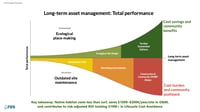
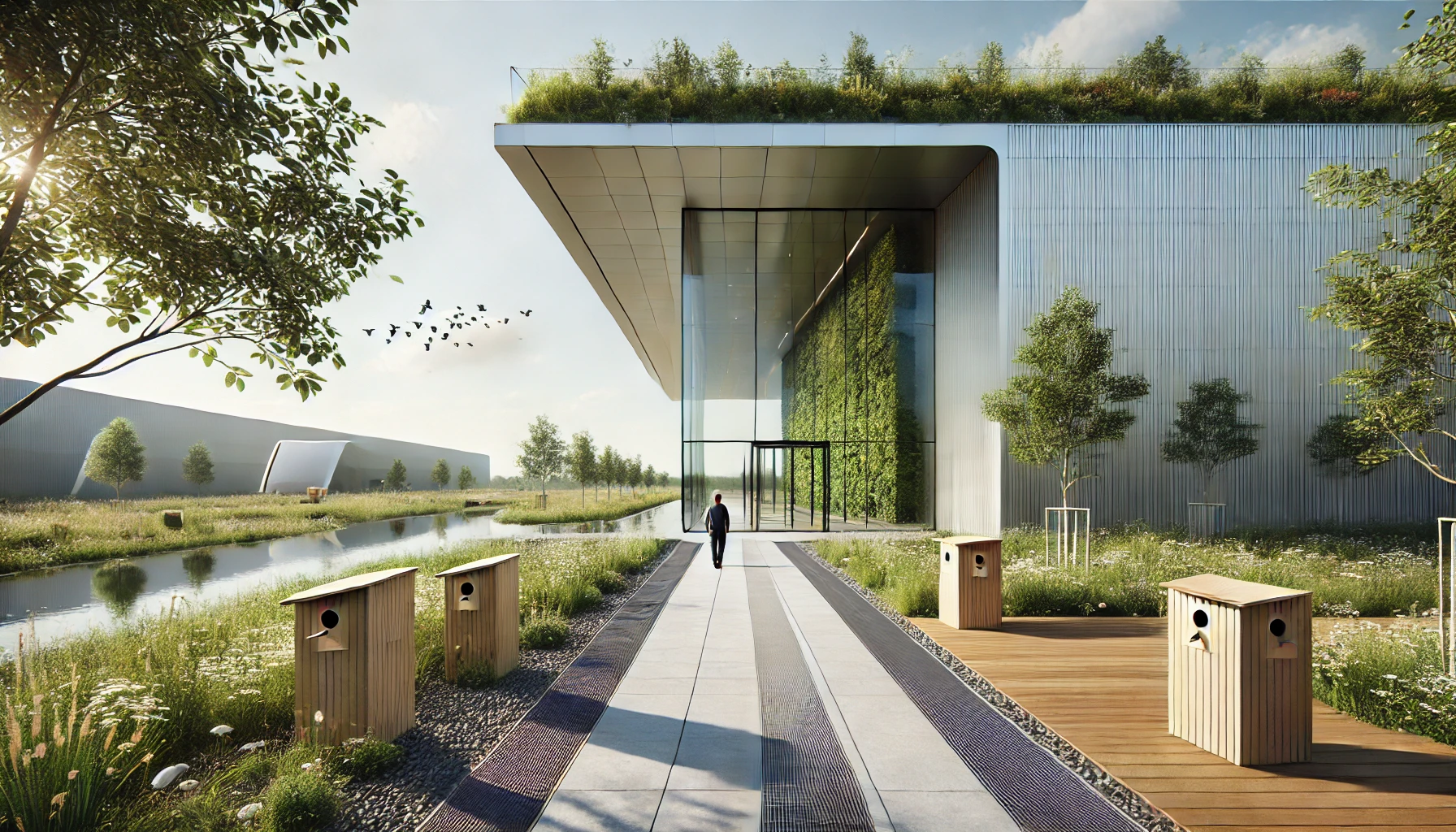
Native vegetation, green roofs, and nature-based water systems manage runoff, reduce cooling loads, and improve overall site performance.


Designed for long-term resilience, these systems reduce heat island effects, lower irrigation demand, and deliver measurable cost savings while supporting biodiversity and community value.

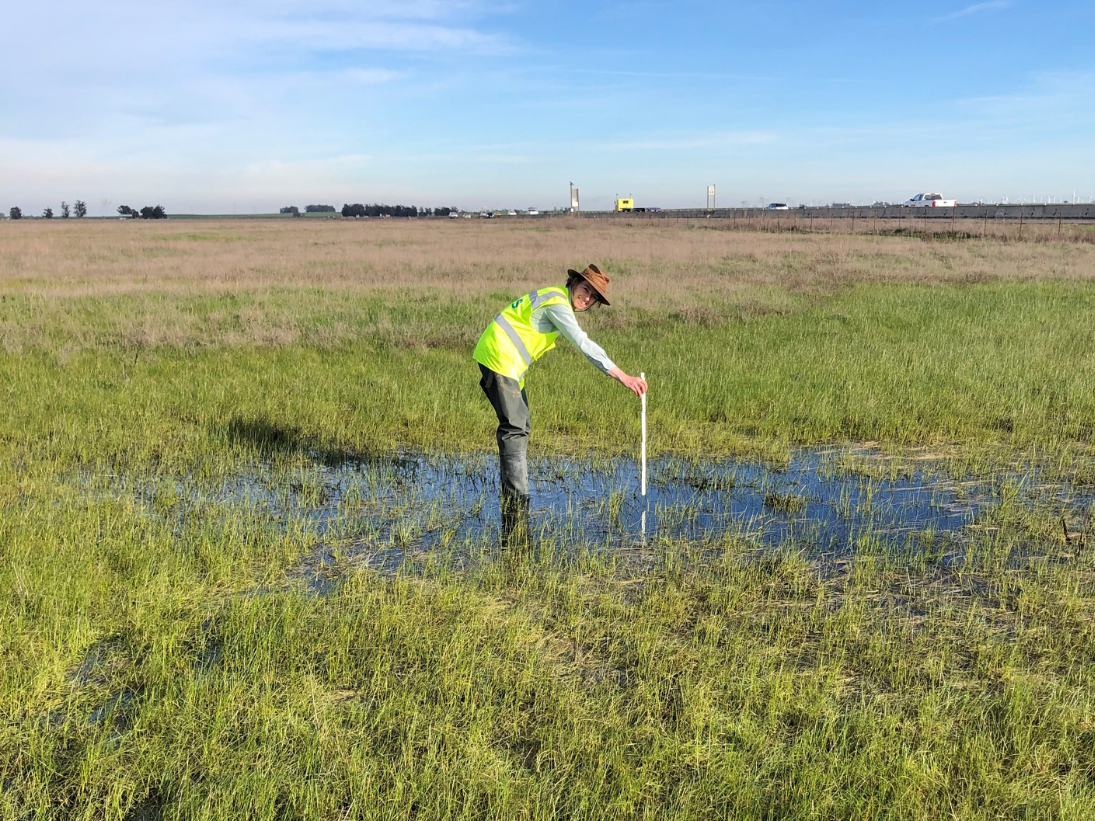
Vernal pool_California-1

Water Stewardship Solutions

Turn water strategy into measurable performance. 


Quantify what matters: Ecological restoration delivers measurable water replenishment, groundwater recharge, and water quality improvements at the watershed level.


Simplify compliance: Strengthen stormwater resilience and streamline permitting with data-backed environmental outcomes, tailored to your service area.

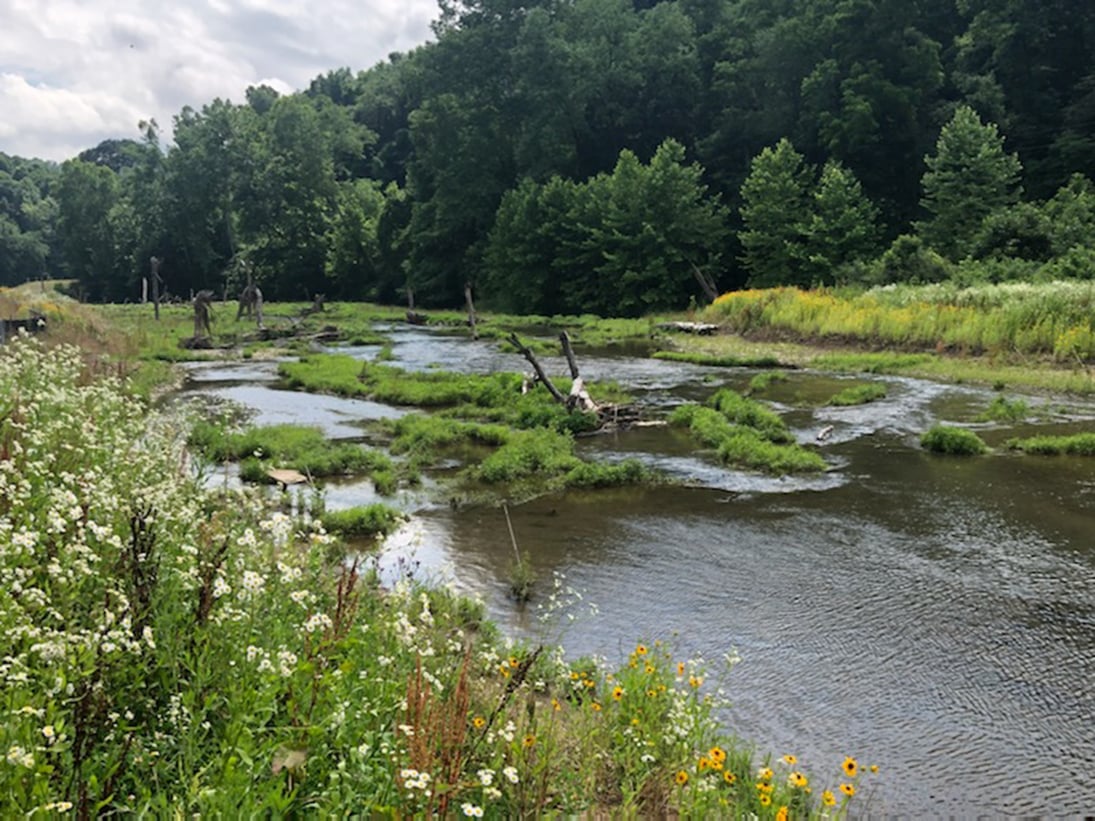
Robinson Fork Mitigation Bank

Environmental Mitigation

Offset impacts with certainty. Keep projects moving.


Permit smarter: Restore equivalent natural habitats to compensate for site impacts, streamline approvals, and avoid costly delays.


Scalable and reliable: Mitigation solutions are tailored to the site, built to scale across markets, and backed by a national portfolio.

STAKEHOLDER TOOLS

How do you show the difference between traditional large-scale development and Nature-based Solutions?

Download these PDFs that speak to each business stakeholder.

RES_Data_Center_Developer Owner-1
 
For Developers & Owners

RES_Data_Center_Sustainability
 
For Sustainability & ESG

RES_Data_Center_CFO
 
For CFOs & Capital Planners

RES_Data_Center_Comm Affairs
 
For Community & Government Relations

RES_Data_Center_Engineering F
 
For Engineering & Site Infrastructure

RES_Data_Center_Construction F
 
For Construction & Project Delivery
CASE STUDIES

Pfizer

Nature-positive solutions for large-scale development

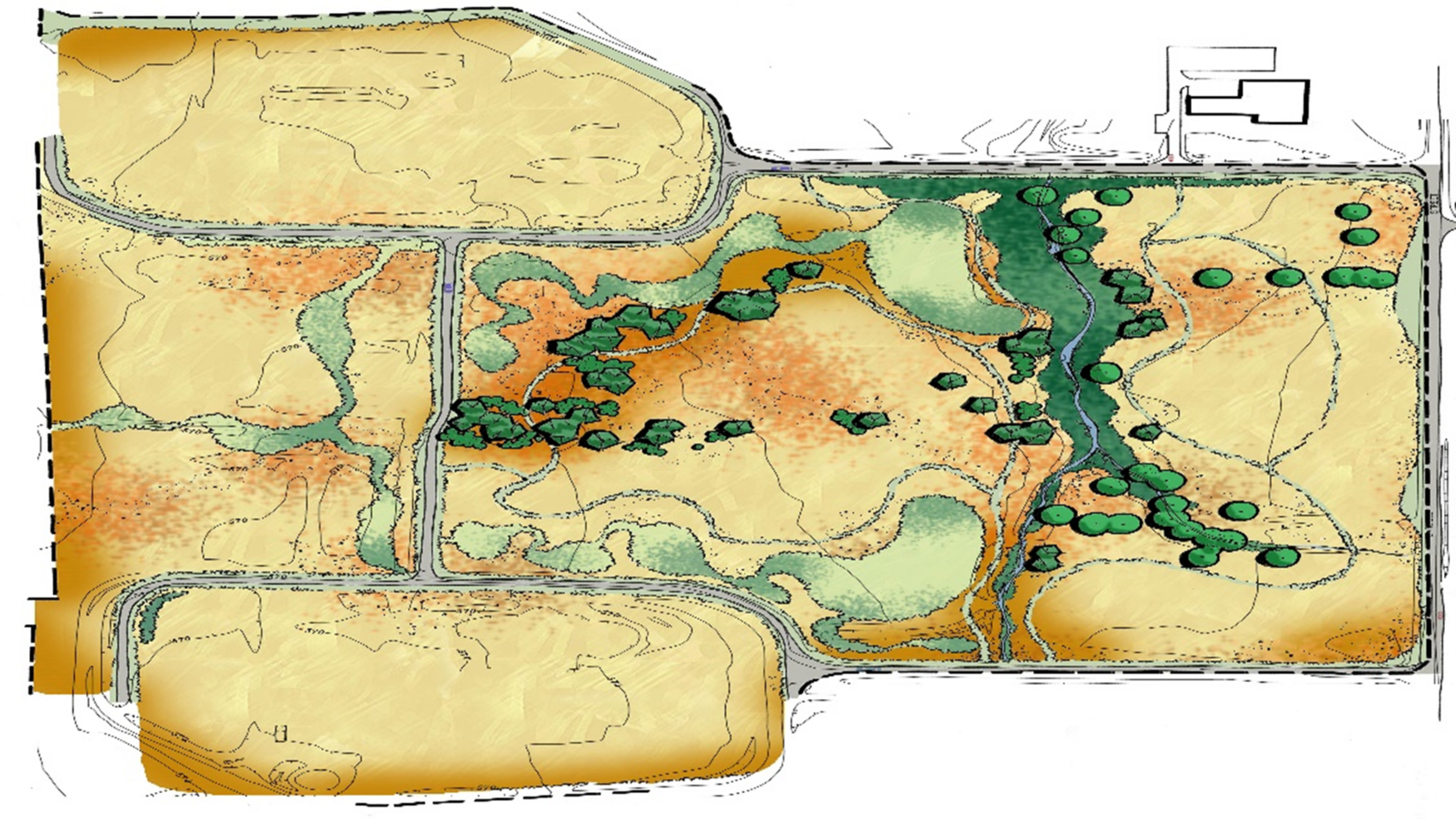
Pfizer’s 60-acre campus in Indiana was reimagined through Ecological Site Solutions, replacing turf and ornamental landscaping with deep-rooted native systems and a Stormwater Treatment Train™. The result: a landscape that manages runoff, restores biodiversity, and delivers measurable long-term performance.

 

Volvo rendering
  • Mitigation supports projects and builds local confidence

  •  

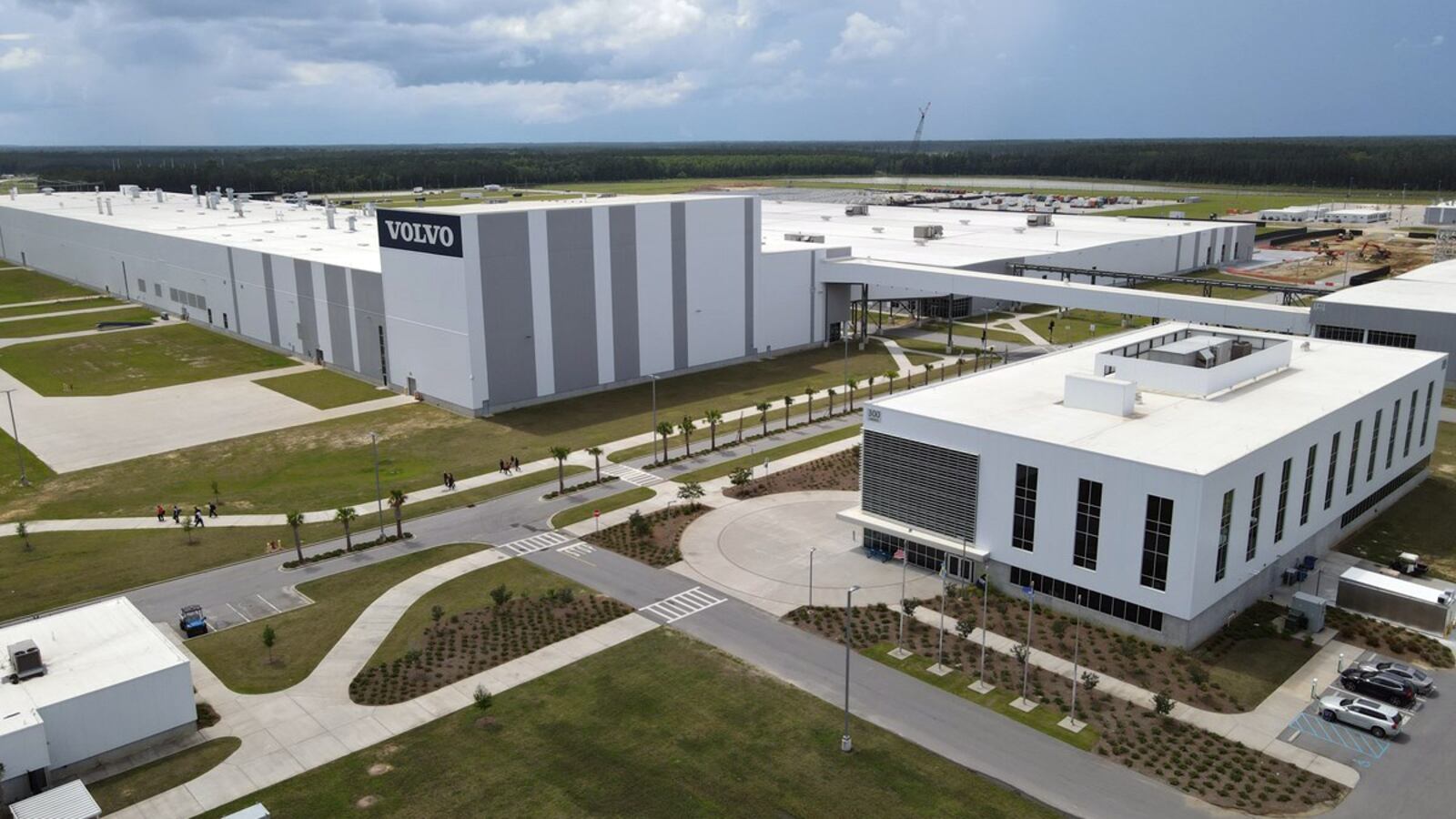
    Volvo’s $5B facility nearly left South Carolina due to permitting risk. RES delivered a fast-tracked mitigation plan that kept the project on schedule and anchored in-state. See how early environmental planning helps projects like data centers meet critical timelines, while reinforcing trust with regulators and local stakeholders.

     

Teddy Roosevelt Library_RC


NORTH DAKOTA

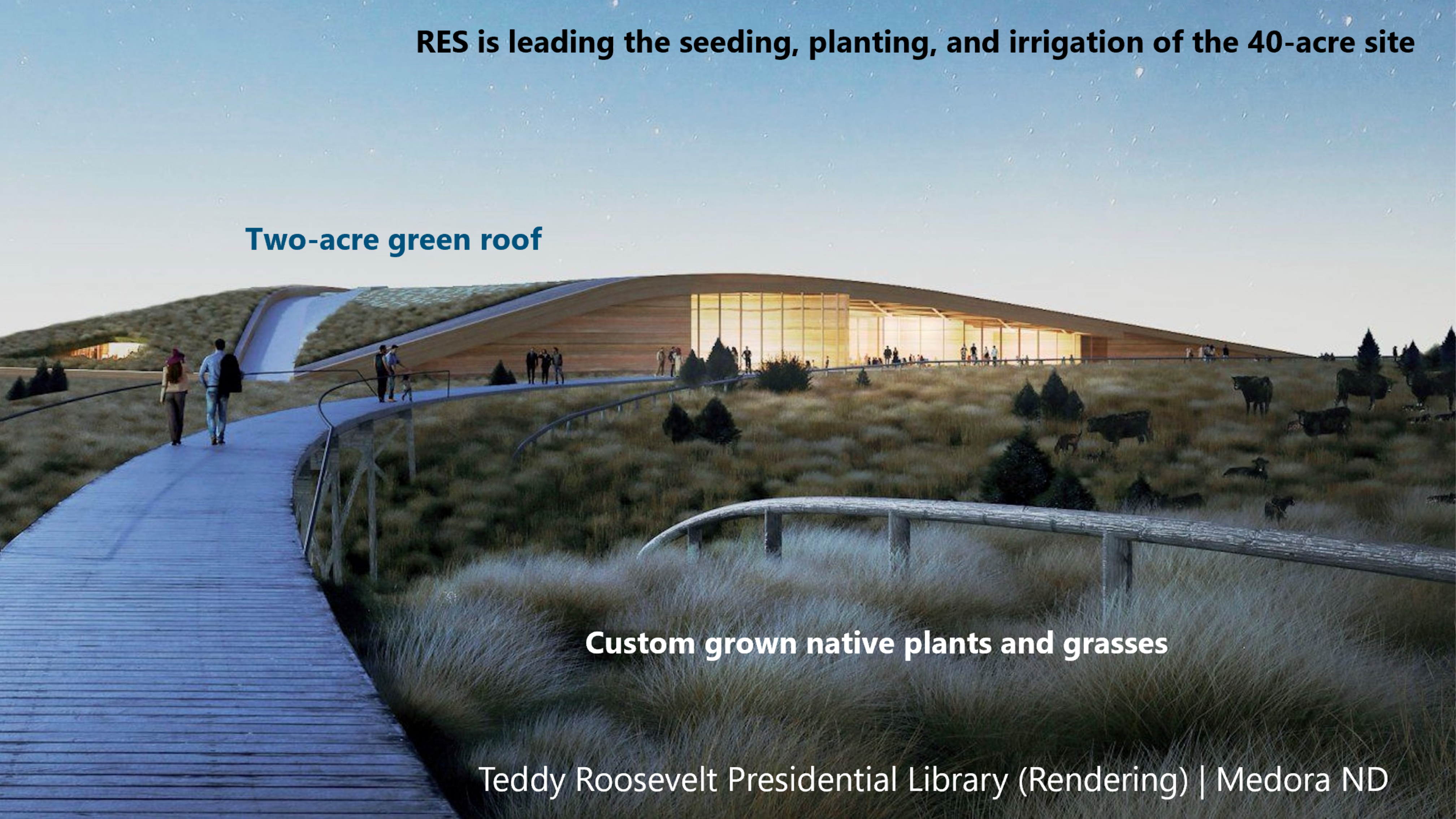
Teddy Roosevelt Presidential Library


Challenge: A high-profile site faced potential community opposition, environmental scrutiny, and the need for long-term operational resilience.


Solution: Led ecological site design, harvested and propagated 170+ native species, installed green roofs and native soils, and implemented nature-based systems to meet ambitious sustainability targets.

Outcome: The project is on track to deliver a resilient, zero-waste landscape that unifies architecture and ecology, setting a new benchmark for sustainable cultural development.


prairie pothole restoration_RES in action
priairie potholes prior to RES restoration
creative rendering showing site post RES restoration
 
IOWA

Prairie Potholes

 
Challenge: Once a thriving native prairie and wetland, this large Des Moines area site was drained for agriculture, resulting in the loss of its natural water management and diverse habitats.
 
Solution: Drain tile will be removed, hydrology will be restored with water control structures, and native prairie and wetland vegetation will be re-established. A long-term monitoring plan will guide success.


Outcome: Millions of gallons per year in groundwater recharge, improved water quality, and a restored landscape that supports corporate water stewardship and sustainability goals.

Bayou Pierre_LA
 
LOUISIANA

Bayou Pierre


Challenge: Water quality impairments and permitting risks near a planned data center site.


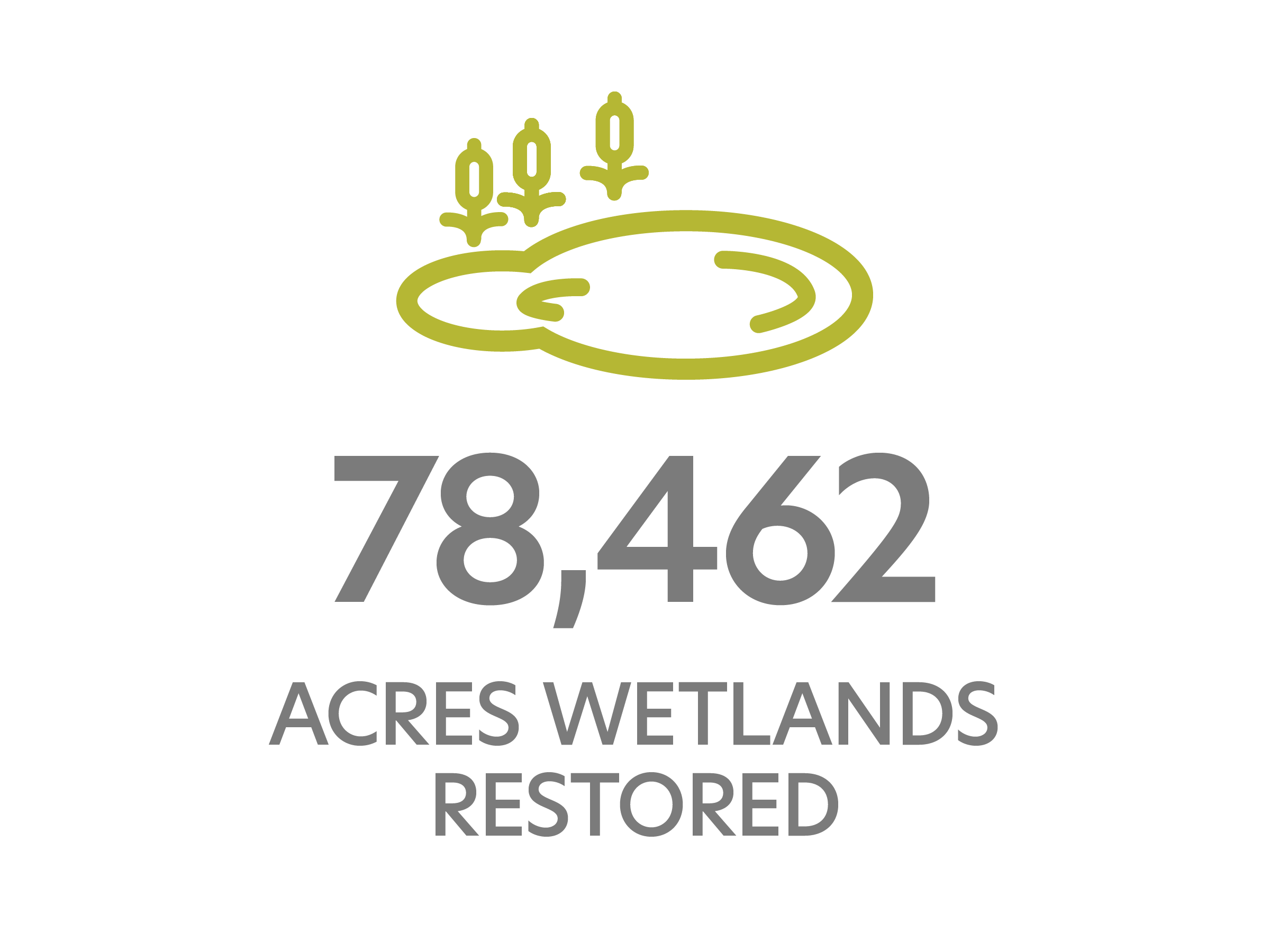
Solution: Restored 318 acres of wetlands to filter runoff and reduce pollutants.

Outcome: Improved 650M gallons of water annually, advancing water positivity and reducing development risk.


OUR SOLUTIONS

RES transforms environmental challenges into competitive advantages for large-scale development


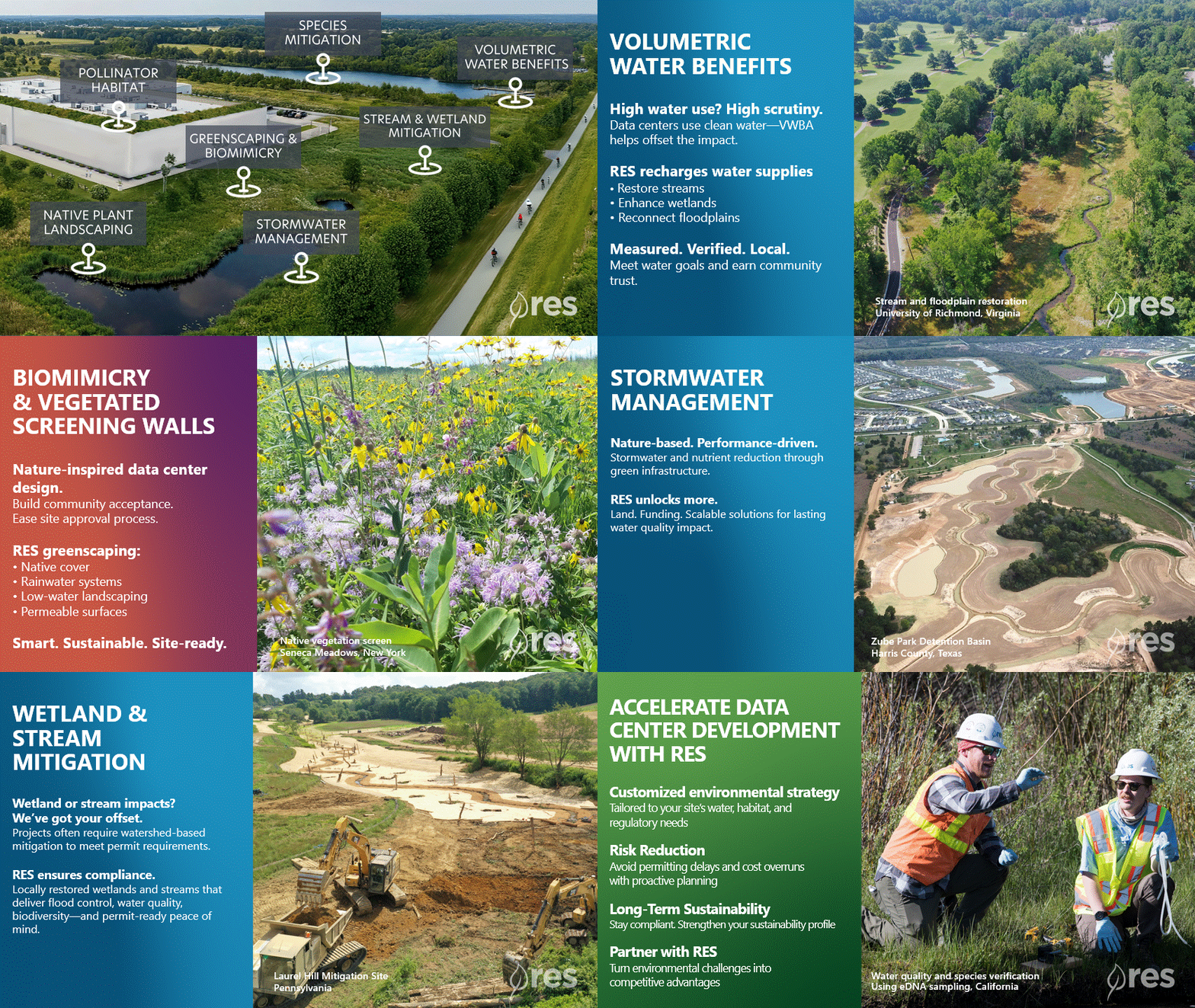
From pollinator habitats to stormwater solutions and species mitigation, RES delivers smart, site-ready strategies that streamline permitting, reduce risk, and ensure long-term sustainability.


Explore our nature-as-infrastructure approach designed to meet regulatory needs while building community and ecological value.


Screen show_Updated 7-16

Every project site is different, but the formula for making nature work for you is the same. It starts with understanding the ecosystem and then designing for long-term, measurable ecological performance. Working across a range of landscapes, from impaired streams and floodplains to prairies, wetlands, and habitat corridors, you can restore natural function while staying on schedule and in compliance.

The result is more than mitigation. It’s a site that manages water, builds resilience, supports biodiversity, and earns community trust—naturally sustaining itself, and your investment.


Modern data center 2

Ready to unlock your site's full potential?


Early engagement can determine whether a project moves forward smoothly or stalls. Our team works with you before the first permit is filed to evaluate land strategy, align infrastructure with ecological assets, and surface the right mix of site solutions, water strategies, and mitigation to support approvals, performance, and community value.